











































.png)


Rupee Falls To 95 Against Dollar Despite Brent Crude Sliding Under $71 on Easing Hormuz Tensions
Synopsis: A sharp de-escalation in the Strait of Hormuz standoff has driven Brent crude below $71 a barrel, normally good news for oil-importing India, yet the rupee has broken through a key support zone near 95 to the dollar as Federal Reserve rate expectations and arbitrage-driven dollar demand overwhelm the usual relief. Global crude markets […] The post Rupee Falls To 95 Against Dollar Despite Brent Crude Sliding Under $71 on Easing Hormuz Tensions appeared first on Trade Brains.

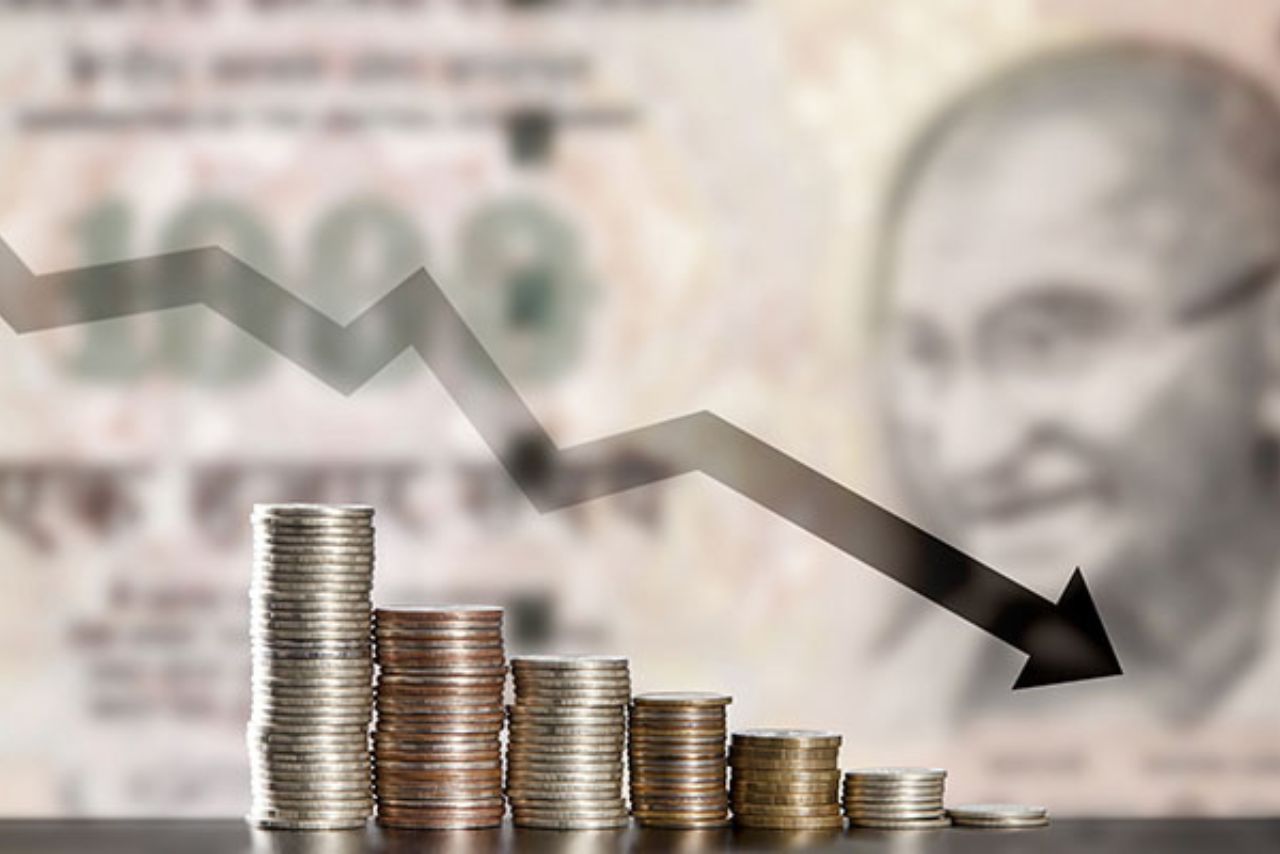
Synopsis: A sharp de-escalation in the Strait of Hormuz standoff has driven Brent crude below $71 a barrel, normally good news for oil-importing India, yet the rupee has broken through a key support zone near 95 to the dollar as Federal Reserve rate expectations and arbitrage-driven dollar demand overwhelm the usual relief.
Global crude markets and the Indian rupee are moving in opposite directions this week, and the disconnect matters for anyone tracking India’s macro backdrop. Brent crude has fallen more than 23 percent over the past month, slipping below $71 a barrel after signs of progress in indirect talks between the United States and Iran in Doha over shipping access through the Strait of Hormuz. Ordinarily, a drop of this size in India’s single largest import bill item would offer meaningful relief to the currency. Instead, the rupee just posted its steepest single-day fall in three weeks, breaching the psychologically important 94.80-95.00 band before settling around 95.28 against the dollar.
Brent crude, which had spiked on wartime fears of a Hormuz shutdown, has now given back the entire risk premium and then some, falling over 1 percent in the latest session to trade below $71 a barrel. The Indian rupee, meanwhile, weakened to around 95.28 per dollar after a brief morning recovery to 94.9375 driven by state-run bank dollar sales that failed to hold once that official support thinned out by midday.
Why Oil Fell So Fast
Tanker traffic through the Strait of Hormuz has recovered to at least 75 percent of pre-war volumes, according to shipping data cited in current market commentary, as the Doha talks eased fears of a prolonged supply disruption. That normalisation, combined with continued high Russian crude exports finding their way to market despite sanctions, has shifted the conversation from a supply squeeze to an oversupply risk for the second half of the year. For a market that had priced in sustained disruption through the Gulf, the speed of this reversal, a 23 percent monthly decline, is unusually sharp and reflects how much of the earlier price spike was pure risk premium rather than a genuine supply shortfall.
Why the Rupee Isn’t Cooperating
Lower oil ordinarily flows through to a stronger rupee within days, since India imports over 85 percent of its crude needs and every sustained drop in the oil bill eases the current account deficit. That mechanical relationship broke down this week for three specific reasons. First, arbitrage flows between the offshore non-deliverable forward market and the onshore deliverable forward market generated active dollar demand that worked directly against the rupee, a technical flow that has little to do with oil at all.
Second, once the rupee breached the 95.00 level, it triggered a wave of stop-loss orders on positions that had been betting on rupee strength, turning an orderly move into an accelerated slide. Third, and most structurally important, hawkish commentary from Federal Reserve Chair Kevin Warsh on containing inflation has firmed up market expectations for further U.S. rate hikes in 2026, keeping U.S. Treasury yields elevated and the dollar broadly strong against most Asian currencies ahead of closely watched non-farm payrolls data.
What This Means for Retail Investors
The oil-rupee disconnect has practical implications across several parts of an Indian portfolio. Oil marketing companies and paint, tyre, and aviation stocks, all of which benefit from lower crude as a raw material or fuel input, stand to see margin relief regardless of what the rupee does, since crude is priced in dollars but the cost benefit shows up once landed costs fall. Importers of any dollar-denominated input, on the other hand, face a partially offsetting currency headwind: a weaker rupee eats into some of the savings from cheaper oil, since the same barrel now costs more rupees per dollar even as the dollar price falls. IT services and pharmaceutical exporters, which earn largely in dollars, benefit directly from rupee weakness and may see a translation tailwind in the current quarter.
The RBI’s willingness to keep supplying dollars will matter more than the oil price from here. The intervention pattern seen this week, selling dollars early in the session only to see the rupee give back those gains once official supply eased, suggests the central bank is managing the pace of depreciation rather than defending a hard level. Retail investors holding rupee-denominated debt or planning near-term foreign currency needs, education payments, travel, imports, should treat 95 as a level that has already given way rather than a floor likely to hold, particularly with U.S. payrolls data due and Fed rate-hike bets still building.
For equity investors, the more durable signal to track is whether Brent’s supply glut narrative persists through the second half of the year; a sustained low-price environment would eventually pull the rupee along with it, but this week’s data shows that transmission is not automatic and can lag by weeks when other cross-currents, Fed policy chief among them, dominate flows.
Disclaimer: The views and investment tips expressed by investment experts/broking houses/rating agencies on tradebrains.in are their own, and not that of the website or its management. Investing in equities poses a risk of financial losses. Investors must therefore exercise due caution while investing or trading in stocks. Trade Brains Technologies Private Limited or the author are not liable for any losses caused as a result of the decision based on this article. Please consult your investment advisor before investing.
The post Rupee Falls To 95 Against Dollar Despite Brent Crude Sliding Under $71 on Easing Hormuz Tensions appeared first on Trade Brains.
What's Your Reaction?