






























































How PNB Housing Finance Rebuilt Its Balance Sheet After Crisis and Returned to Growth
Synopsis: This Housing Finance Ltd has rebounded from crisis with cleaner books and retail-led growth. Its GNPA fell from a staggering peak of 8.13% to just 1.04% with consistently rising profits, turning from a stressed lender into a focused housing finance turnaround story to watch. PNB Housing had a tough time a few years ago. […] The post How PNB Housing Finance Rebuilt Its Balance Sheet After Crisis and Returned to Growth appeared first on Trade Brains.

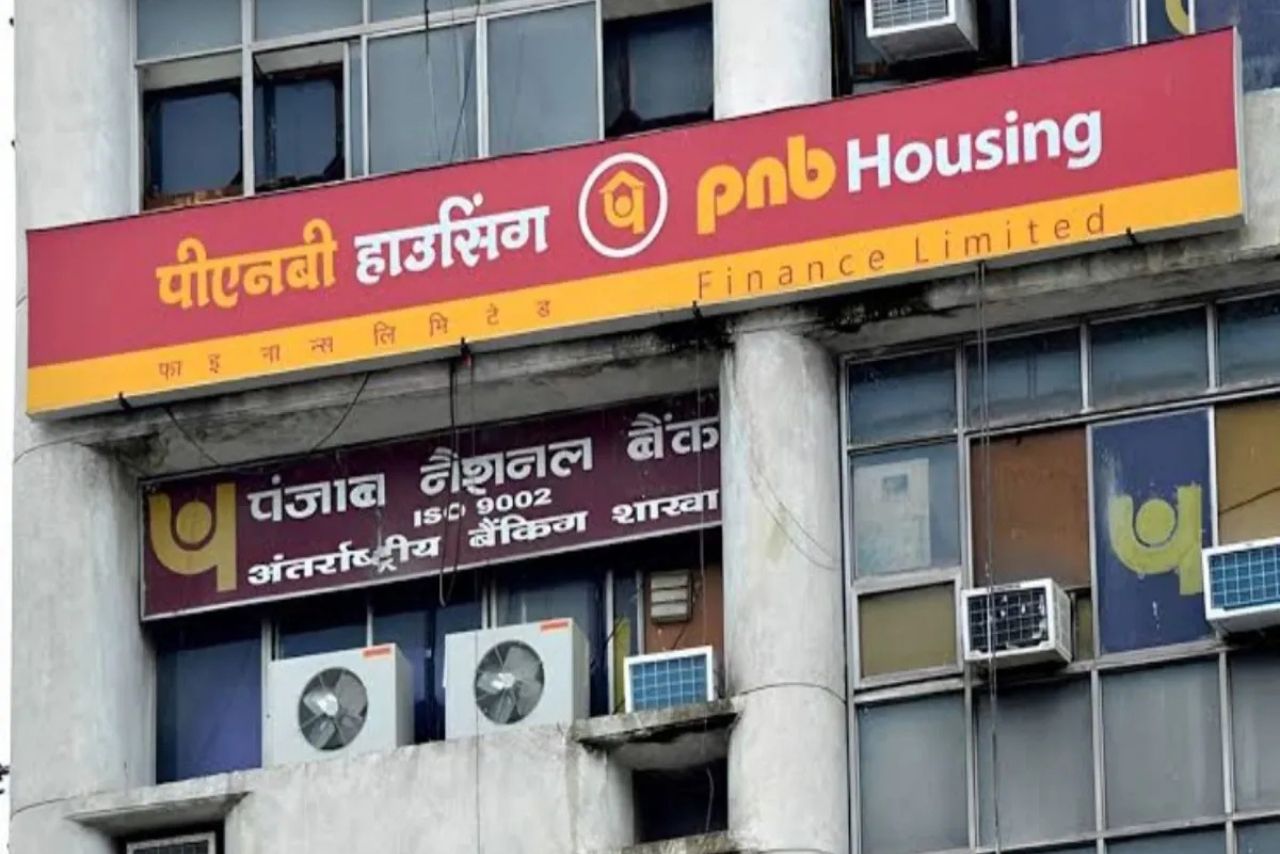
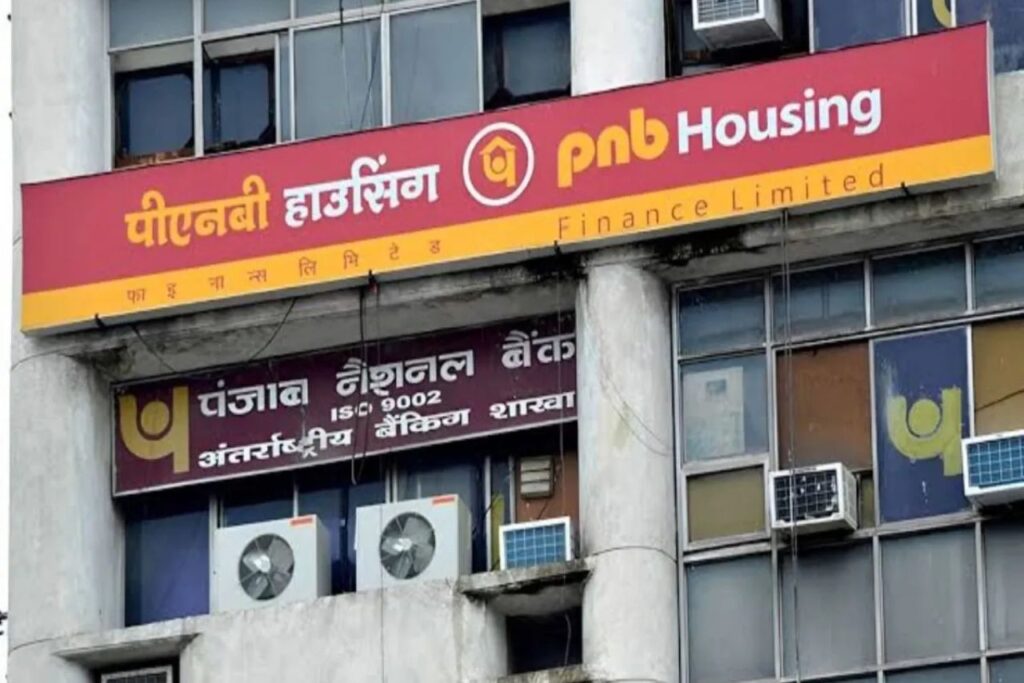
Synopsis: This Housing Finance Ltd has rebounded from crisis with cleaner books and retail-led growth. Its GNPA fell from a staggering peak of 8.13% to just 1.04% with consistently rising profits, turning from a stressed lender into a focused housing finance turnaround story to watch.
PNB Housing had a tough time a few years ago. It was dealing with concerns about loan losses and slow growth. Today, however, the situation has changed. The company is seeing steady loan growth, improved asset quality, and a new leader to steer it into the next phase. Here’s a straightforward account of how this transformation happened and why it’s worth following.
With a market capitalization of Rs 22,124 crore, the shares of PNB Housing Finance Ltd closed at Rs 849.30 per share, up 0.41 percent from its previous day’s closing price of Rs 845.85 per share. Over the past five years, the stock has delivered a robust 184 percent, outperforming NIFTY 50’s return of 72 percent.
What went wrong?
In the early 2020s, the Indian housing finance sector faced pressure from rising bad loans and cautious bank lenders. PNB Housing’s asset quality also took a hit. By the end of FY22, gross bad loans (GNPA) had peaked at about 8.13 percent of its loan book. This was much higher than what a healthy portfolio should be, which limited its ability to lend more.
During this time, investors grew concerned. The environment for housing loans was uncertain. Competition was increasing, and PNB Housing’s shares often fluctuated sharply. From 2017 until early 2020, PNB Housing Finance Ltd got caught in a rough patch that shook the entire sector.
Everything took a turn after IL&FS defaulted in September 2018, leaving behind a massive Rs 91,000 crore debt. That single event set off panic in the debt markets. Mutual funds, which usually lend big to NBFCs and HFCs, suddenly pulled back, and money just stopped flowing, almost overnight. Getting loans refinanced turned tricky, and everyone had to pay more to borrow.
Investors got spooked, fast. Housing finance stocks took a beating because people worried about asset-liability mismatches. Right after the IL&FS blowup, big HFC stocks dropped sharply, and PNB Housing’s also plunged during the period, and the sentiment went negative. Even home loan rates across the industry ticked up by about 20 basis points, which showed how the funding crunch was starting to hit actual borrowers.
Things got worse when Punjab National Bank, which owns PNB Housing Finance Ltd, landed in the middle of one of India’s biggest banking scandals. Back in early 2018, Nirav Modi and his partners allegedly managed to get fake bank guarantees, worth over Rs 12,000 crore, from a single Mumbai branch of PNB, and the even crazier part was that those transactions never even made it into the bank’s main records. When the story broke, it sent shockwaves through the financial world.
Although PNB Housing had nothing to do with the fraud itself, that didn’t matter to investors. The moment they saw the PNB name, they panicked, and everyone was doubting the company’s trustworthiness and controls, and the stock took a hit. This all happened while the entire lending sector was already under pressure, so the timing couldn’t have been worse.
PNB Housing Finance leaned hard on market borrowings, and that made people nervous, not just about slower loan growth, but whether the company could even survive when funding dried up. Everyone kept asking: with debt markets under pressure, would lenders keep rolling over PNB’s short-term loans, or would the money just run out?
Meanwhile, the company’s push to raise fresh equity or find a strategic investor dragged on. Capital buffers stayed thin, which forced management to slam the brakes on growth. The focus shifted from charging ahead to just protecting the balance sheet, and investors hated it, and valuation multiples tumbled.
But that wasn’t the end of it. Across the housing finance sector, worries about asset quality started creeping in, especially with loans to real estate developers. And property sales slowed, and suddenly people wondered if some builders would default.
That meant higher NPAs and rising credit costs. Retail home loans were still mostly safe, but everyone kept staring at the riskier wholesale book. Then COVID hit in March 2020. The market crashed, financial stocks got hammered, and panic selling set in. Lockdowns sparked fresh anxiety about EMI delays, slumping housing demand, and yet another liquidity crunch.
What changed?
The management made a decision to reduce giving loans to companies and developers because these loans were causing problems. Instead, they focused on giving loans to people who want to buy homes. PNB Housing Finance Ltd went deeper into helping people buy homes and homes for people with medium incomes, especially in smaller cities, like Tier 2 and Tier 3 cities.
This is because there are not many other companies giving loans in these cities, and they can make more money from the loans. This change made the loans that PNB Housing Finance Ltd gives out stable and less likely to cause problems.
The company made more changes at the same time as they made their credit filters stronger. They also got better at scoring risks, such as using data to find problems early on, and the company worked harder to recover bad loans, too.
The Gross NPA (GNPA), which was very high at 8.13 percent in FY22, fell to 3.83 percent in FY23, more to 1.5 percent in FY24 and now currently stands at just 1.04 percent. The Net NPA (NNPA) went below 1 percent, which shows that the worst part of assets is over, for Gross NPA and Net NPA. The Gross NPA and Net NPA numbers are looking better now.
The company’s Loan Asset currently stands at Rs 81,931 crore, of which its Affordable segment (Rs 7,140 crore), which was one of the main drivers behind the turnaround, is working favourably in the company as it is reporting a good growth of 86 percent on a YoY basis.
With a cleaner loan book, profitability naturally followed. Retail borrowers tend to repay more consistently, which improves interest income stability and reduces credit costs. The retail loan book started growing at a healthy pace (mid-teens YoY), and retail now forms almost the entire portfolio, reducing dependence on risky wholesale lending. Recent quarterly profits crossed over Rs 500 crore, showing that earnings recovery is not just accounting-driven but backed by business momentum.
At the same time, Markets began to re-rate the stock as numbers improved. Brokerages like UBS and Motilal Oswal Financial Services described the company as a housing finance comeback story, highlighting improving return ratios and steady retail growth visibility.
There was a brief wobble when former MD & CEO Girish Kousgi stepped down earlier than expected, which made investors nervous about leadership continuity. But the board moved quickly to appoint Ajai Kumar Shukla as his replacement, who is a seasoned professional with over three decades of experience in housing and mortgage lending, working with giants like Tata Capital Housing Finance, ICICI Bank, etc.
Today, the story is very different from the crisis years. Instead of fighting liquidity stress and bad loans, PNB Housing is focused on steady retail growth, controlled risk, and consistent profitability. The key thing to watch now is execution. If loan growth stays healthy and NPAs remain low, the turnaround could continue to strengthen.
Disclaimer: The views and investment tips expressed by investment experts/broking houses/rating agencies on tradebrains.in are their own, and not that of the website or its management. Investing in equities poses a risk of financial losses. Investors must therefore exercise due caution while investing or trading in stocks. Trade Brains Technologies Private Limited or the author are not liable for any losses caused as a result of the decision based on this article. Please consult your investment advisor before investing.
The post How PNB Housing Finance Rebuilt Its Balance Sheet After Crisis and Returned to Growth appeared first on Trade Brains.
What's Your Reaction?