






































Stock to Buy: AI Stock with Huge Upside Potential Recommended by BofA
Synopsis:- Bank of America has initiated coverage on the stock with a Buy rating and a Rs. 5,000 target price, framing the company as India’s leading AI compute OEM on the back of a 15-year Nvidia partnership, an asset-light model, and a projected 40 percent annual earnings growth through FY29, even as the stock already […] The post Stock to Buy: AI Stock with Huge Upside Potential Recommended by BofA appeared first on Trade Brains.

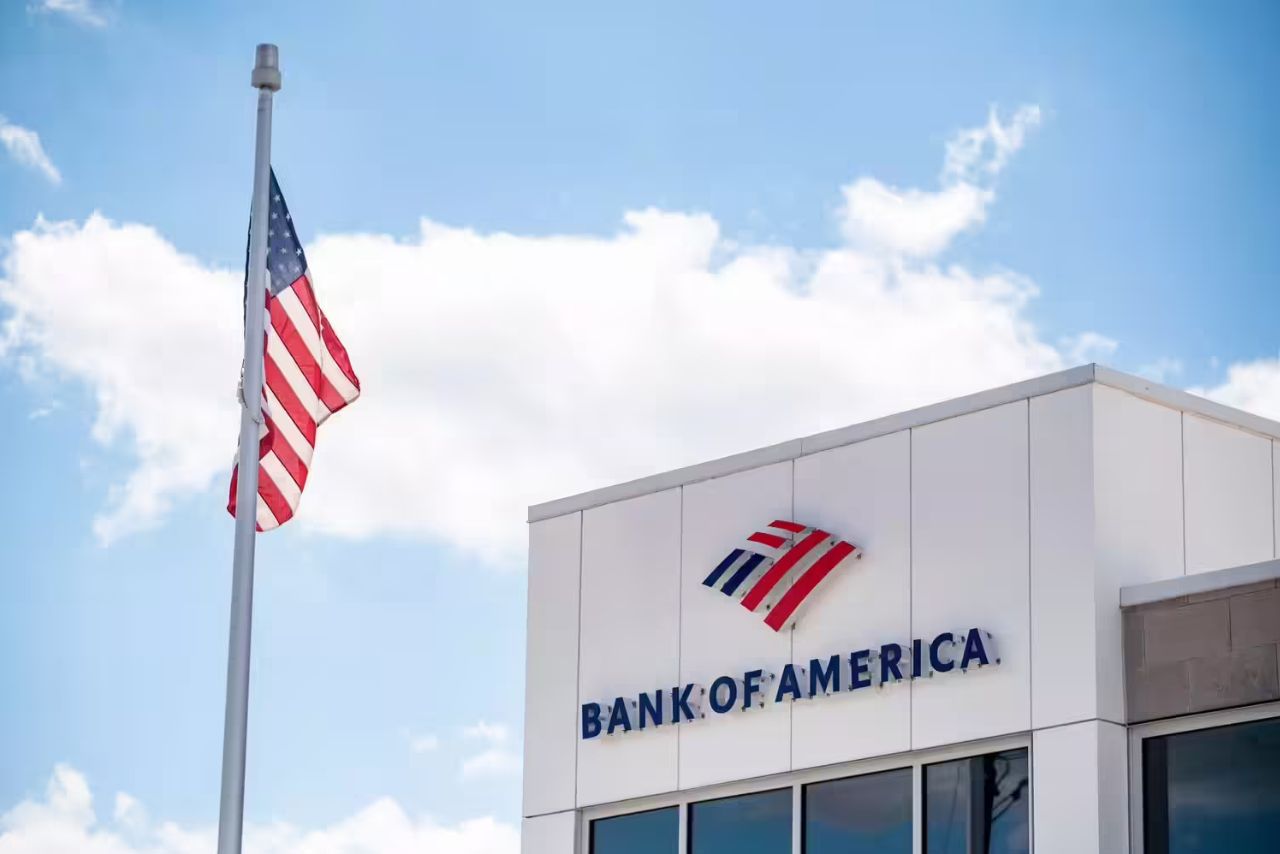
Synopsis:- Bank of America has initiated coverage on the stock with a Buy rating and a Rs. 5,000 target price, framing the company as India’s leading AI compute OEM on the back of a 15-year Nvidia partnership, an asset-light model, and a projected 40 percent annual earnings growth through FY29, even as the stock already trades at a steep premium reflecting years of anticipated growth.
A domestic hardware manufacturer that most retail investors would not immediately associate with artificial intelligence has just received one of the more bullish brokerage calls in India’s AI infrastructure space this year. The thesis rests less on a single product cycle and more on a structural bet that India’s computing buildout is still in its early innings.
Netweb Technologies opened on Wednesday at Rs.4,422, with a market capitalization at Rs.25,164.44 crore and a P/E ratio of 121.68, against a 52-week range of Rs. 1,802.50 to Rs. 5,244.
BofA Initiates With Buy, Sees Upside
Bank of America has initiated coverage with a Buy rating and a target price of Rs. 5,000, implying roughly 14 percent upside from the stock’s last closing price. That is a comparatively modest upside for a fresh Buy initiation, and it reflects the reality that this stock has already re-rated substantially over the past year rather than being newly discovered by the market.
Positioned to Benefit From India’s AI Infrastructure Boom
The brokerage’s core argument is macro rather than company-specific in its first instance. BofA expects India’s AI infrastructure market to expand at a 30 to 40 percent compound annual growth rate, driven by enterprise AI adoption, sovereign AI initiatives, private cloud deployments, and rising high-performance computing demand across government and commercial projects alike.
The company is positioned, in BofA’s view, as one of the more direct beneficiaries of that spending cycle domestically, rather than a company merely riding adjacent sector sentiment.
Nvidia Partnership Creates a Competitive Moat
The more company-specific pillar of the thesis centres on a 15-year relationship with Nvidia, which BofA credits as the foundation of the company’s competitive position. This partnership has made the company the only Indian original equipment manufacturer to have deployed AI supercomputing systems used in some of the country’s fastest supercomputing installations, according to the brokerage, a track record that is genuinely difficult for a new entrant to replicate given how long these technical certifications and integration relationships typically take to establish.
Beyond the Nvidia relationship, BofA also pointed to the company’s proprietary software stack, which it says helps improve profitability particularly among lower-volume resellers, and to long-standing customer relationships that account for nearly 40 percent of revenue, providing a recurring earnings base rather than one dependent purely on one-off large contract wins.
Strong Long-Term Earnings Outlook
BofA is forecasting revenue and earnings per share to compound at close to 40 percent annually between FY26 and FY29, a genuinely aggressive multi-year growth assumption. The brokerage supports this with reference to a strong existing order book, rising demand for sovereign AI infrastructure specifically, continued private cloud deployment activity, and government-led computing initiatives that provide multi-year revenue visibility rather than quarter-to-quarter uncertainty.
The asset-light nature of the business model is a meaningful part of why BofA believes this growth can be delivered efficiently. Unlike infrastructure developers who must fund heavy capital expenditure themselves, the company focuses on designing and deploying compute solutions while customers fund the bulk of the underlying capital spend, a structure that should, in theory, allow revenue growth to convert into profit growth without a proportional increase in the company’s own balance sheet risk.
Massive Addressable Market Ahead
The scale of the opportunity BofA is pointing to is substantial. The brokerage estimates India’s overall server market will expand from around $3 billion in 2023 to nearly $45 billion by 2030, and within that broader market, it sees the addressable opportunity specifically for specialist AI OEMs reaching approximately $9 billion by the end of the decade.
That framing positions the current business, however large its recent re-rating has already been, as still capturing an early share of a market that is expected to grow more than tenfold over roughly seven years.
The Risks BofA Itself Flagged
To its credit, the brokerage did not present this purely as a one-sided growth story. It explicitly flagged volatility in AI-related investment sentiment as a risk, a reasonable caution given how quickly global AI infrastructure spending narratives have swung between euphoria and skepticism over the past two years.
It also flagged sustained increases in memory prices as a specific margin risk, relevant given that memory and compute components make up a meaningful share of the cost base for any hardware-centric AI infrastructure business.
What Retail Investors Should Weigh
The structural case here, a rare domestic Nvidia partnership, recurring customer revenue, and exposure to a genuinely large forecasted market expansion, is a coherent one. But a P/E near 120 times already prices in a substantial amount of that 40 percent earnings growth actually materialising on schedule through FY29, leaving relatively little room for disappointment if sovereign AI spending timelines slip or memory cost inflation compresses margins more than expected.
Investors should treat BofA’s modest 14 percent implied upside as a signal in itself: even a bullish brokerage sees this stock as fairly, rather than cheaply, priced at current levels.
Disclaimer: The views and investment tips expressed by investment experts/broking houses/rating agencies on tradebrains.in are their own, and not that of the website or its management. Investing in equities poses a risk of financial losses. Investors must therefore exercise due caution while investing or trading in stocks. Trade Brains Technologies Private Limited or the author are not liable for any losses caused as a result of the decision based on this article. Please consult your investment advisor before investing.
The post Stock to Buy: AI Stock with Huge Upside Potential Recommended by BofA appeared first on Trade Brains.
What's Your Reaction?