















































Thomas Scott India: Analysis of the Company That Supplies Apparel to Myntra, Ajio and Amazon
Synopsis: Thomas Scott India is gaining attention as a key apparel supplier to Myntra, Ajio and Amazon, with B2C contributing 95 percent of H1 FY26 revenue, three-year revenue CAGR of 46 percent and Q2 FY26 profit growth of nearly 67 percent. Thomas Scott India is coming into focus amid rising activity in India’s organised apparel […] The post Thomas Scott India: Analysis of the Company That Supplies Apparel to Myntra, Ajio and Amazon appeared first on Trade Brains.

Synopsis: Thomas Scott India is gaining attention as a key apparel supplier to Myntra, Ajio and Amazon, with B2C contributing 95 percent of H1 FY26 revenue, three-year revenue CAGR of 46 percent and Q2 FY26 profit growth of nearly 67 percent.
Thomas Scott India is coming into focus amid rising activity in India’s organised apparel and garment manufacturing segment. As e-commerce platforms continue to expand their fashion offerings, companies operating in the apparel supply chain are drawing increased attention from investors and industry watchers.
Thomas Scott (India) Limited, with a market capitalization of Rs. 476.79 crore, closed at Rs. 325 per equity share, up by 1.77 percent from its previous day’s close price of Rs. 319.35 per equity share. As of December 2025, an ace investor Ashish Kacholia holds 2.1 percent stake in the company.
Thomas Scott (India) Limited has delivered returns across multiple timeframes, with a 1-month return of -3.3 percent, a 3-month return of -21.19 percent, and a 6-month return of 3.5 percent The stock has delivered a -34.07 percent return in the past 1 year and in the longer frame of 5 years it has delivered a return of 5,227.87 percent.
Thomas Scott (India) Ltd. was incorporated in 2010 as a traditional apparel manufacturer and over the last few years has transformed into a vertically integrated, tech-enabled online fashion retailer. The company operates in the mid-premium segment, catering to aspirational, brand-conscious consumers, and today plays a critical backend role for leading fashion marketplaces such as Myntra, Ajio, Amazon, Flipkart, Tata Cliq and Namshi. This transformation has shifted the business decisively towards B2C, which accounted for around 95 percent of revenue in H1-FY26, compared to just 5 percent from B2B manufacturing .
Multi-Brand, Marketplace-Focused Business Model
Thomas Scott follows a multi-brand strategy that combines its own flagship brand “Thomas Scott” with licensed international brands and domestic marketplace brands. It manages more than 12,000 SKUs across over 15 brands and distributes them through 9 online and offline channels. For marketplaces such as Myntra, Ajio and Amazon, the company acts as an end-to-end execution partner, handling design, sourcing, manufacturing, inventory planning, cataloguing, pricing and fulfilment, while the platforms control customer access and brand positioning .
Powering E-commerce Platform
A significant part of Thomas Scott’s scale comes from its deep integration with Myntra. The company supplies and manages Myntra domestic brands including Invictus, Here & Now, Mast & Harbour and Moda Rapido in the menswear segment. In addition, it acts as an alpha supplier for Myntra International Brands, handling end-to-end execution for global labels such as Nautica, Aeropostale and FCUK, including recent expansion into women’s western wear and handbags under exclusive channel partnerships. These brands are owned by global companies, while Thomas Scott manages manufacturing, inventory, pricing and fulfilment for Myntra.
Beyond Myntra, Thomas Scott has expanded its licensed brand presence across other platforms. For Ajio, the company has signed licensing arrangements for brands such as Buda Jeans Co, with launches starting from Spring–Summer 2025. On Amazon, Thomas Scott supplies apparel under Amazon marketplace brands while also retailing its own brand. In the GCC region, the company partners with Namshi, the region’s largest fashion marketplace, managing licensed brands such as Robert Wood and Seventy Five (75), enabling international sales without setting up overseas retail infrastructure.
Revenues from licensed and other B2C brands grew sharply from Rs. 15 crore in FY23 to Rs. 96.8 crore in FY25, underlining the increasing importance of this segment.
Technology-Driven Design and Inventory Engine
At the core of the company’s marketplace success is a centralized, data-driven backend. Thomas Scott continuously collects keyword, browsing and sales data from e-commerce platforms to identify trends and supply-demand gaps. Products are launched in small batches of around 100–120 units, and successful styles are rapidly scaled. This “high-width, low-depth” strategy reduces markdown risk, improves inventory turns and lowers returns, which is critical when supplying large platforms like Myntra, Ajio and Amazon.
Manufacturing and Fulfilment Backbone
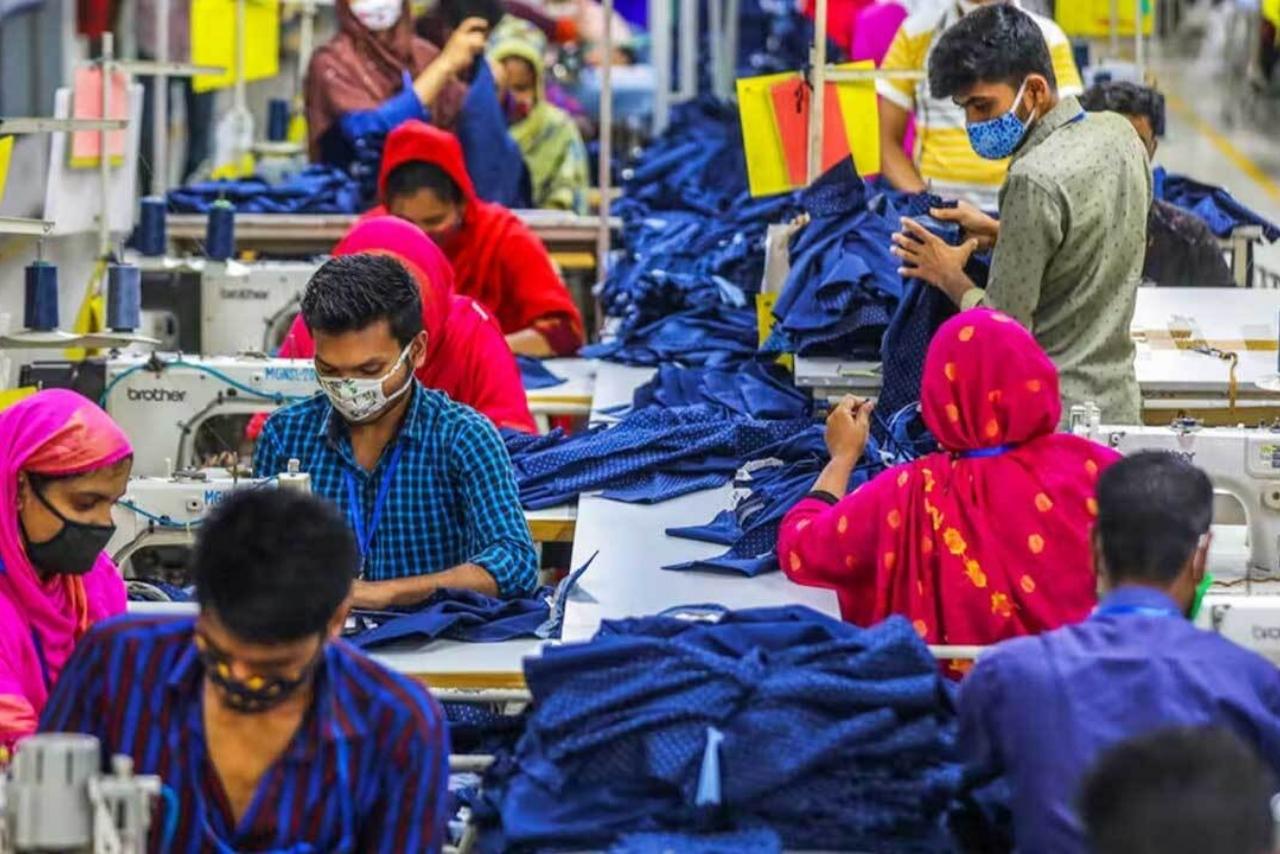
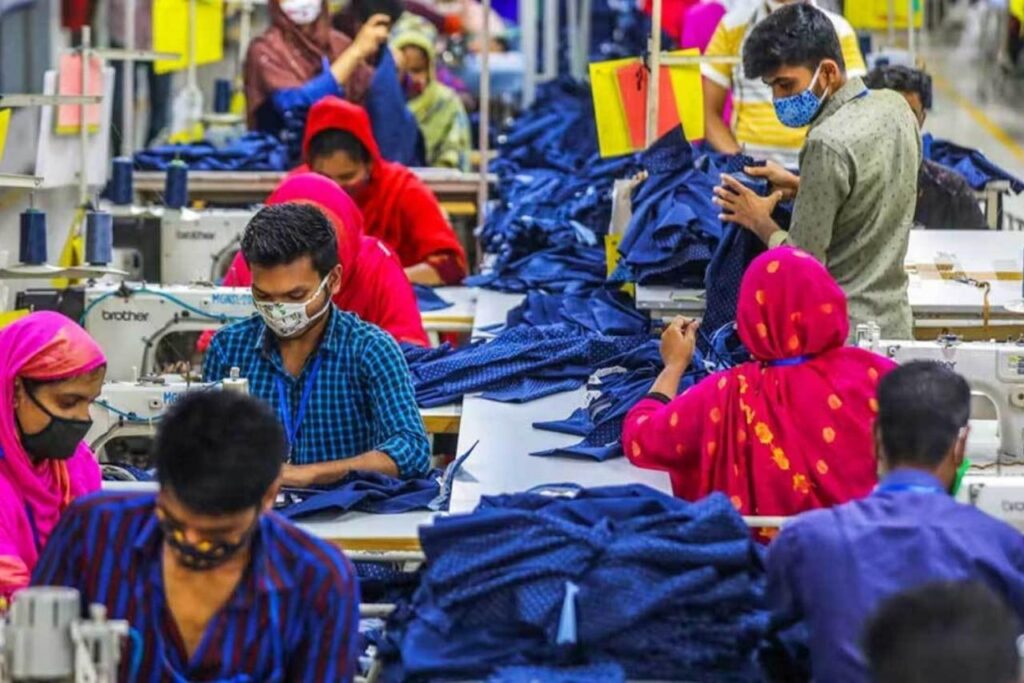
The company operates four manufacturing units with a combined capacity of about 140,000 units per month across shirts, bottoms and bags, supported by four fulfilment centres with the ability to ship around 15,000 pieces per day. With facilities spread across Bangalore, Solapur, Gurgaon and a pan-India warehousing network, Thomas Scott enables fast deliveries, often within two days enhancing customer experience for marketplace partners while keeping logistics costs under control .
Financials
The company reported revenue of Rs. 56.93 crore in Q2 FY26, up from Rs. 53.89 crore in Q1 FY26, translating into a quarter-on-quarter growth of about 5.6 percent. On a year-on-year basis, revenue increased sharply from Rs. 40.67 crore in Q2 FY25, marking a strong growth of around 40 percent, indicating healthy demand momentum and improved scale compared to last year.
Profitability also improved meaningfully. EBITDA rose to Rs. 8.47 crore in Q2 FY26 from Rs. 6.11 crore in Q1 FY26, delivering a quarter-on-quarter growth of nearly 38.6 percent, while on a year-on-year basis EBITDA almost doubled from Rs. 4.31 crore, reflecting growth of about 96.5 percent. Profit after tax stood at Rs. 4.72 crore, compared with Rs. 3.47 crore in Q1 FY26, a quarter-on-quarter increase of around 36 percent, and rose from Rs. 2.83 crore in Q2 FY25, implying a year-on-year growth of roughly 66.8 percent, highlighting strong operating leverage and margin expansion.
Over the past three years, the company has demonstrated strong growth, achieving a revenue CAGR of 46 percent, a profit CAGR of 54 percent, and a price CAGR of 91 percent reflecting its operational performance and market confidence.
A return on equity (ROE) of about 16.4 percent and a return on capital employed (ROCE) of about 20.4 percent, and debt to equity ratio at 0.21 demonstrate the company’s financial position. The stock is currently trading at a P/E of 30.6x higher as compared to industry P/E of 27.4x.
Overall, Thomas Scott India has evolved into a behind-the-scenes enabler for India’s largest fashion marketplaces. By combining in-house manufacturing, technology-led decision making and a diversified brand portfolio, the company has positioned itself as a scalable apparel supply partner to Myntra, Ajio and Amazon, benefiting from platform growth without bearing the full cost of building consumer traffic itself.
Disclaimer: The views and investment tips expressed by investment experts/broking houses/rating agencies on tradebrains.in are their own, and not that of the website or its management. Investing in equities poses a risk of financial losses. Investors must therefore exercise due caution while investing or trading in stocks. Trade Brains Technologies Private Limited or the author are not liable for any losses caused as a result of the decision based on this article. Please consult your investment advisor before investing.
The post Thomas Scott India: Analysis of the Company That Supplies Apparel to Myntra, Ajio and Amazon appeared first on Trade Brains.
What's Your Reaction?