











































Urban Company vs Motilal Oswal: Debate Over ‘InstaHelp’ and a 15% Market Share Drop Ahead?
Synopsis: Urban Company is seeing strong growth in its new InstaHelp segment, but there is still uncertainty about its long-term success. While the company is confident, Motilal Oswal remains cautious, highlighting risks around demand, competition, and market share. A platform that built its name on bringing beauty, repairs and cleaning services into Indian homes is […] The post Urban Company vs Motilal Oswal: Debate Over ‘InstaHelp’ and a 15% Market Share Drop Ahead? appeared first on Trade Brains.

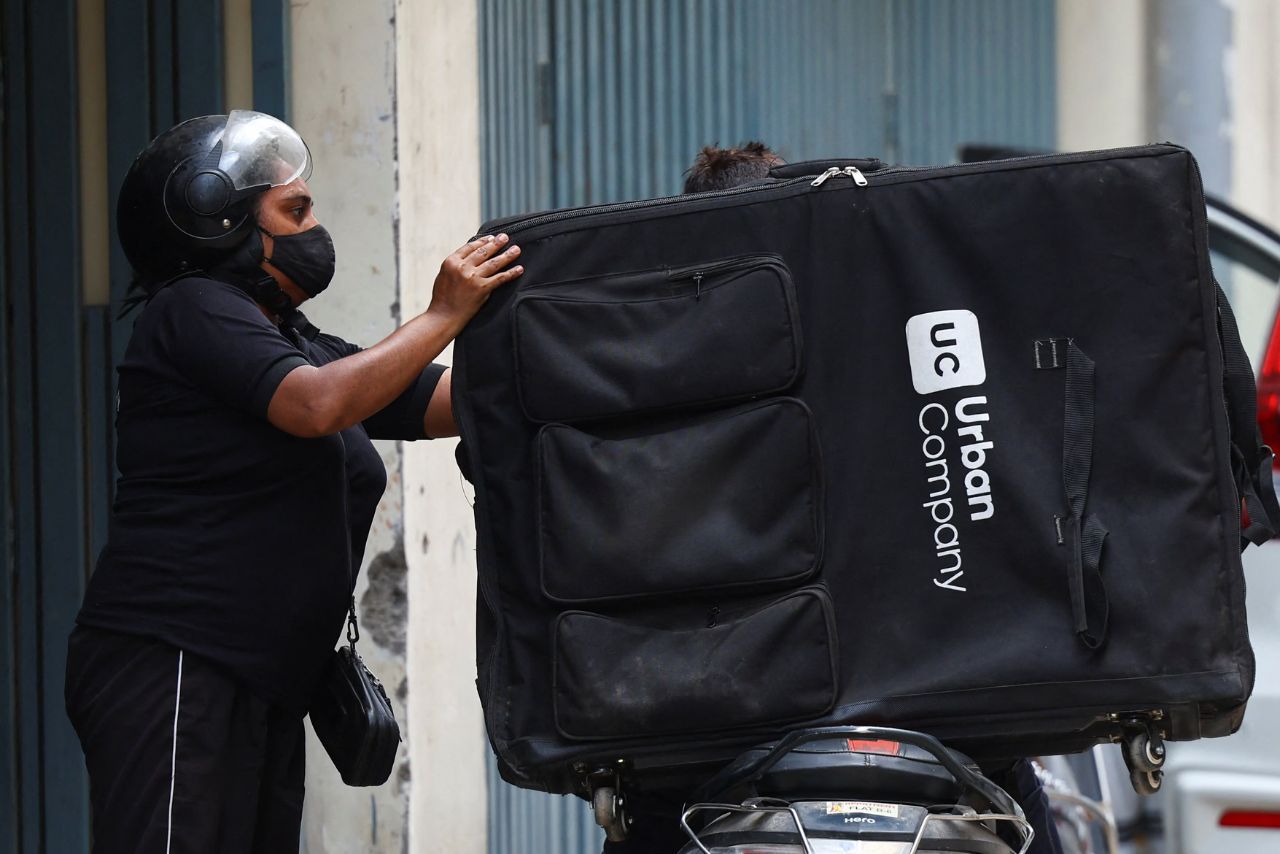
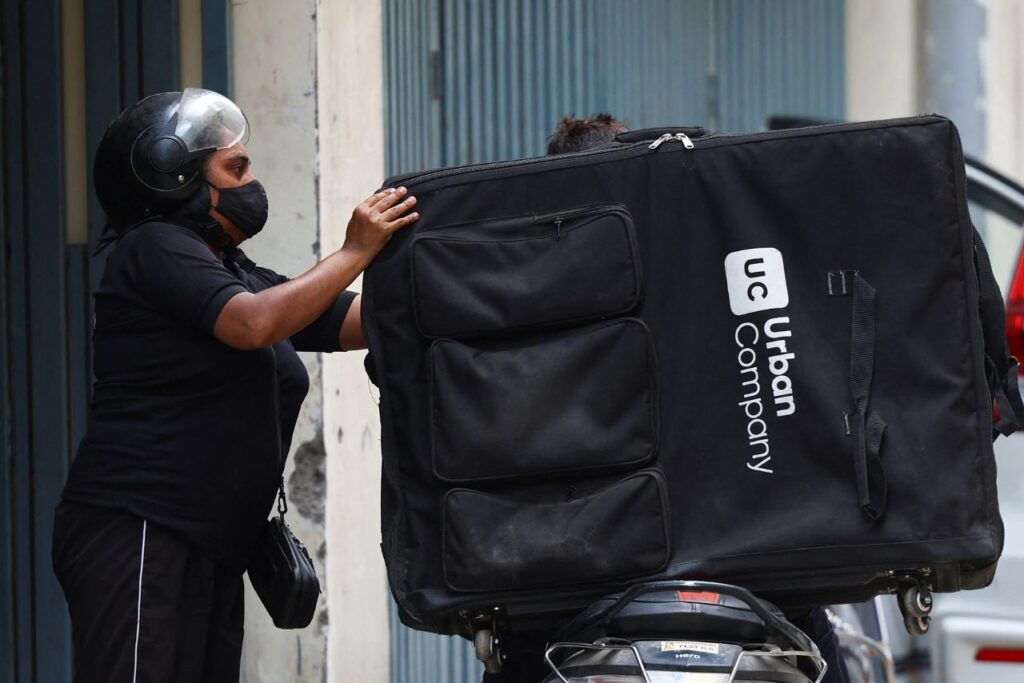
Synopsis: Urban Company is seeing strong growth in its new InstaHelp segment, but there is still uncertainty about its long-term success. While the company is confident, Motilal Oswal remains cautious, highlighting risks around demand, competition, and market share.
A platform that built its name on bringing beauty, repairs and cleaning services into Indian homes is now trying to answer a much bigger question. Can Urban Company turn itself from an occasional-use services app into a far more frequent household platform? That is where InstaHelp enters the picture. The company is pitching it as a fast-scaling, high-frequency vertical with strong early signals, while Motilal Oswal is taking a more cautious view on how durable that demand can really become and how much market share Urban Company can defend as the category opens up.
The debate matters because both sides are looking at the same business but drawing different conclusions. On one hand, Urban Company’s management is clearly showing conviction. On the other hand, the Motilal Oswal report is effectively saying that early traction does not automatically mean long-term habit, strong pricing or permanent dominance. That tension sits at the center of the stock’s current story.
The Core Business Is Working, But InstaHelp Is Changing The Narrative
Before getting into the debate, it is important to understand where Urban Company stands today. The core business is not broken. In Q3FY26, the company reported consolidated net transaction value of Rs. 1,081 crore and revenue from operations of Rs. 383 crore. India Consumer Services excluding InstaHelp grew 21 percent year-on-year in NTV to Rs. 781 crore and delivered adjusted EBITDA of Rs. 44 crore, or 5.6 percent of NTV, up from 4.4 percent a year earlier. Excluding InstaHelp, the broader business remained profitable, which is a very important point because it shows the older engine is still functioning well.
That is also why InstaHelp stands out so sharply. It is not being launched from a weak base. It is being built on top of a core business that management says is improving on margins and seeing steady revenue retention, strong new user growth and healthy festive demand in key categories. In other words, Urban Company is not launching InstaHelp to fix its core business. It is launching it to expand what the platform can become.
Management’s argument is simple. Traditional Urban Company categories such as salon-at-home, AC repair, plumbing or deep cleaning are useful, but they are not daily or even weekly use cases for most households. InstaHelp is different. It targets cleaning, mopping, laundry and meal preparation, and is meant to be delivered within 10 to 15 minutes from booking. That makes it much closer to an everyday convenience layer than a periodic service. The company believes that this can make the app more relevant to the same urban middle-class household that already uses its core services.
Why Urban Company Is Betting So Hard On InstaHelp
Urban Company’s management has left little doubt that InstaHelp is a serious strategic bet. In the Q2FY26 concall, Abhiraj S Bhal (CEO & Co-Founder) described it as one of the most exciting initiatives the company has launched in a while, and said it is more encouraging than anything they have done in the past. He also said the company’s primary goal in the current phase is to maximize growth and cement market leadership, not compromise on scale for the sake of near-term caution.
The early operating numbers explain why management sounds so confident. In Q2FY26, InstaHelp had reached roughly 4.7 lakh monthly orders within eight months of launch. By Q3FY26, fulfilled orders had jumped to 16.07 lakh and NTV to Rs. 27.7 crore, up sharply from 5.82 lakh orders and Rs. 9.9 crore in Q2. Then came the latest company update in March 2026, where Urban Company said InstaHelp had crossed 1 million monthly delivered bookings with three days still left in the month, making it the fastest-growing vertical in the company’s history. It also said the business had already crossed 50,000 daily orders in February. That is the kind of scaling that naturally pushes management into aggressive language.
Management is also pointing to improving economics, though still from a very weak starting point. Adjusted EBITDA loss per order improved from Rs. 760 in Q2FY26 to Rs. 381 in Q3FY26. The company attributed this to better partner utilization, lower incentive payouts per order, lower onboarding costs and reduced marketing intensity as some markets matured. It also said customer adoption, retention and repeat rates remain strong. These are not small claims. They are the basis of the company’s confidence that InstaHelp can eventually move from a cash-burning vertical into a more viable business.
At the same time, management is not pretending that the business is profitable today. Q3FY26 adjusted EBITDA loss from InstaHelp alone stood at Rs. 61 crore, and in Q3 It clearly said consolidated adjusted EBITDA losses are expected to persist in the near term as investments in InstaHelp continue. The company expects consolidated adjusted EBITDA breakeven only by Q3FY28, and even in its FY31 adjusted EBITDA ambition of about Rs. 1,000 crore, management said almost all of that is expected to come from the core India services business, international and Native, with InstaHelp contributing very little initially. That tells you something important. Even management’s own medium-term plan assumes InstaHelp remains a drag for some time.
Where Motilal Oswal Sees The Story Differently
This is where the contradiction starts to matter. Motilal Oswal is not saying InstaHelp is a bad idea. In fact, the report accepts that the category is real, the order ramp-up has been rapid and the business could deepen engagement with households over time. Motilal describes InstaHelp as optionality today rather than a clearly proven future profit pool.
The biggest difference is on habit formation. Management keeps describing InstaHelp as a high-frequency vertical and says retention and repeat are encouraging. Motilal, however, says the category is still largely situational rather than habitual because household help in India remains deeply relationship-driven. In other words, many customers may use InstaHelp when their regular maid is absent, during a transition period, or when extra help is needed around guests or events, but that does not necessarily mean they will make it a daily or default behavior. That is a critical distinction because the “Blinkit-like” upside only becomes plausible if usage becomes a regular habit rather than an occasional backup.
The second difference is on unit economics. Management says it has reasonable confidence that the math can work, but only when AOVs mature to around 1.8 to 2 times current levels, discounting subsides and micro-market densification improves partner utilization enough to reduce earning support. Motilal’s framing is more skeptical. It says AOV remains relatively low, unit economics are still evolving, and sustained profitability is uncertain. This is not a direct rejection of management’s argument, but it is a very clear caution that the required improvements are still assumptions, not achieved outcomes.
The third difference is on competitive structure. Management talks about scaling, winning in all key metros and cementing market leadership. Motilal points out that instant home services remain highly fragmented, with no clear national winner and limited evidence of winner-takes-most dynamics like food delivery or quick commerce. That matters because if the category stays fragmented, Urban Company may still grow strongly without ever building the kind of dominant economics investors associate with successful convenience platforms.
The 15 Percent Market Share Drop: Why It Matters
Motilal’s report says Urban Company currently holds roughly 72 percent share of the online home services market, but expects that to settle around 58 percent by FY30 as adoption broadens and competitive intensity increases. That implies a decline of about 14 percentage points.
This does not mean the business will shrink. In fact, Motilal is simultaneously saying the online home services market itself will grow, with penetration rising from around 0.7 percent to 1.3 percent over the medium term. So Urban Company can still grow in absolute terms even if its share moderates. But it does mean the business may not retain the same dominance it enjoys today. That has direct implications for valuation because the more investors assume stable leadership, the more comfortable they are paying premium multiples. If leadership remains but becomes less absolute, the story shifts from domination to gradual formalization.
Motilal also talks about disintermediation, which is an important but less obvious issue. In simple terms, this means that once customers find a service professional on the platform and build trust, they may start dealing with them directly instead of using Urban Company again. This makes it harder for the company to keep earning from repeat use and build long-term habits. On the other hand, management is focused on increasing usage, repeat bookings and scaling the business. So the real difference is not about current numbers, but about how strong and long-lasting the platform advantage can be.
What Investors Should Really Watch Now
The easiest way to understand the story is this. Urban Company is telling investors that InstaHelp is growing very fast, that customers are coming back, and that the business can improve over time as pricing gets better and operations become more efficient. Motilal Oswal, however, is more cautious. It says that while the early growth is real, it is still too early to be sure about the long-term outcome. Demand may remain occasional, competition could stay high, and the company’s overall market share may come down over time.
That makes the next few quarters especially important. Investors do not just need higher order numbers from InstaHelp. They need evidence that discounting can reduce without hurting demand, that partner utilization keeps improving, that losses per order continue to narrow, and that repeat behavior is becoming durable rather than merely reactive. They also need to watch whether the core business keeps expanding margins strongly enough to fund this experiment without damaging overall earnings quality. The main question is simple. Will InstaHelp turn Urban Company into a platform people use regularly, or will it remain a fast-growing but difficult business to make profitable? Right now, both views still seem possible.
Disclaimer: The views and investment tips expressed by investment experts/broking houses/rating agencies on tradebrains.in are their own, and not that of the website or its management. Investing in equities poses a risk of financial losses. Investors must therefore exercise due caution while investing or trading in stocks. Trade Brains Technologies Private Limited or the author are not liable for any losses caused as a result of the decision based on this article. Please consult your investment advisor before investing.
The post Urban Company vs Motilal Oswal: Debate Over ‘InstaHelp’ and a 15% Market Share Drop Ahead? appeared first on Trade Brains.
What's Your Reaction?