








































US–Iran Tensions: How Escalating Conflict Could Threaten India’s Chemical Supply Chains
Synopsis: Rising US–Iran tensions put the Strait of Hormuz at risk, threatening India’s oil, LNG, and chemical supplies. A disruption could spike costs, hit fertilisers and petrochemicals, and expose India’s deep import vulnerability. There is a narrow strip of water, just 21 miles (33 Km) wide at its tightest point, sitting between Iran and Oman […] The post US–Iran Tensions: How Escalating Conflict Could Threaten India’s Chemical Supply Chains appeared first on Trade Brains.

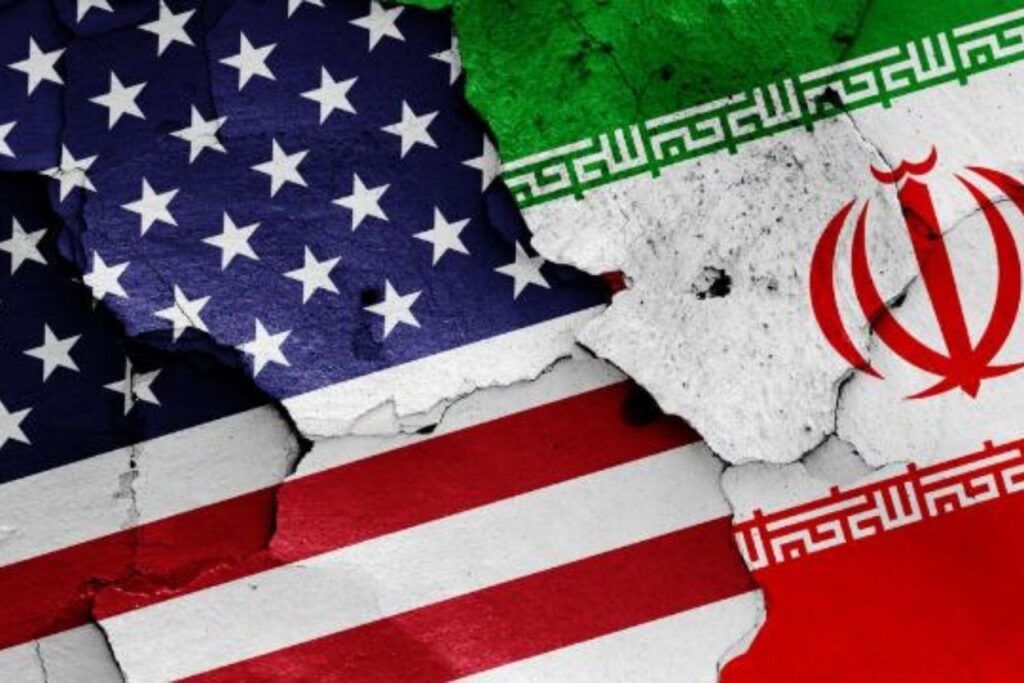
Synopsis: Rising US–Iran tensions put the Strait of Hormuz at risk, threatening India’s oil, LNG, and chemical supplies. A disruption could spike costs, hit fertilisers and petrochemicals, and expose India’s deep import vulnerability.
There is a narrow strip of water, just 21 miles (33 Km) wide at its tightest point, sitting between Iran and Oman at the mouth of the Persian Gulf, and it is called the Strait of Hormuz. Right now, in February 2026, it is at the centre of one of the most dangerous geopolitical stand-offs in recent memory, one with serious consequences for India’s chemical industry, its fertiliser farmers, its paint manufacturers, and millions of ordinary citizens who may not even know this waterway exists.
Think of the Strait of Hormuz as the world’s most important energy pipe. According to the U.S. Energy Information Administration (EIA), roughly 20 million barrels of oil pass through it every single day, about 20% of everything the entire world consumes in petroleum.
On top of that, around one-fifth of all the world’s liquefied natural gas (LNG) travels through the same route, primarily shipped from Qatar. And the chemicals story is just as staggering: commodity analytics firm Kpler reports that the Middle East Gulf supplies 35% of the world’s seaborne methanol through this strait, along with 14% of all global seaborne chemical trade.
Hence, if this waterway is disrupted, the world doesn’t just run short of petrol, it runs short of fertilisers, plastics, solvents, and dozens of chemicals that quietly keep modern life running.
Why Is the Strait Suddenly in Danger?
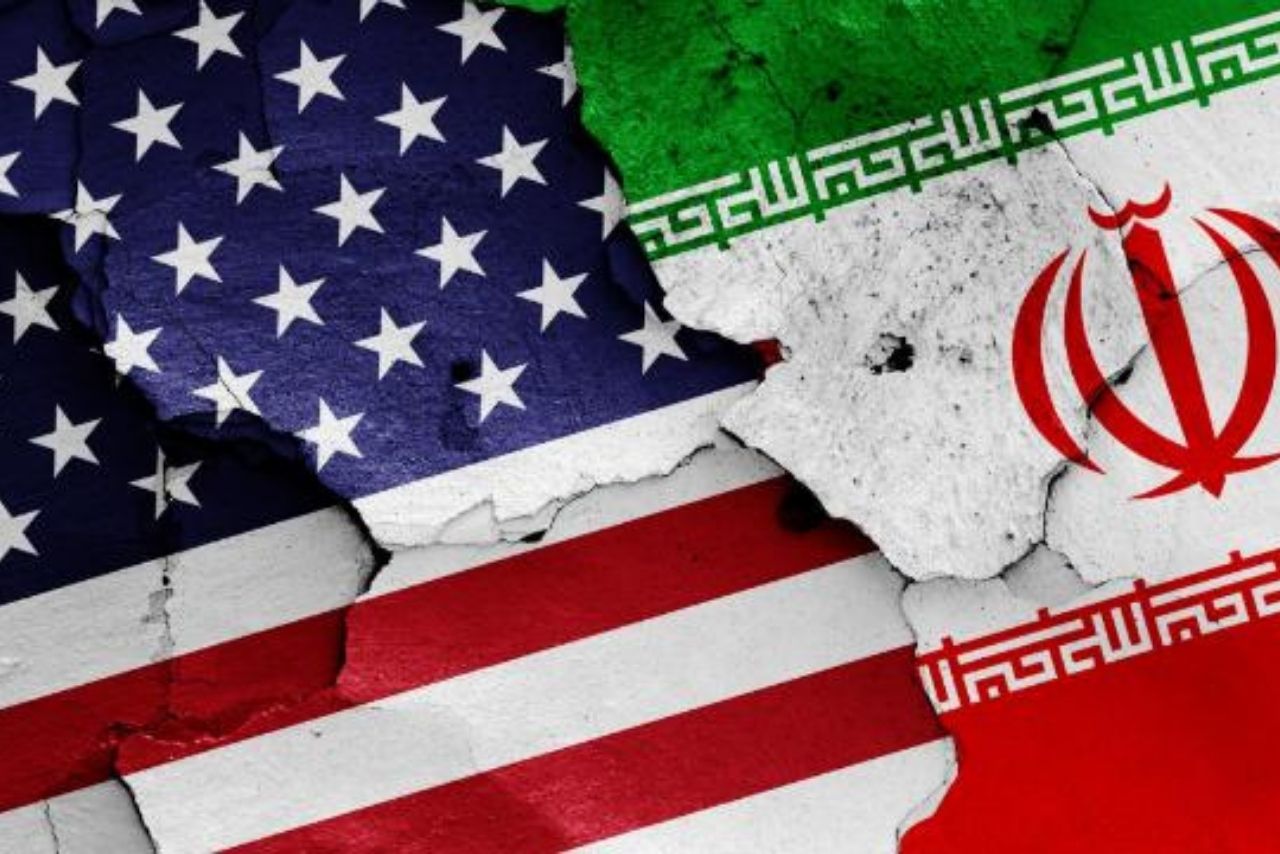
Tensions between the United States and Iran have been simmering for years, but by February 2026, they had reached a boiling point. The U.S. now has one of its largest military buildups in the Middle East since the Iraq War in 2003. There are two full aircraft carrier strike groups—equipped with the latest fighter jets and Tomahawk missiles—positioned close enough to Iran to make everyone uneasy.
Meanwhile, even as diplomats hold nuclear talks in Geneva, Iran’s Revolutionary Guard conducted military drills in the Strait in mid-February 2026, causing a brief partial closure of the waterway, the first such event in history. This made the oil markets react nervously, even though the closure lasted only a few hours.
The Congressional Research Service notes that Iran has historically claimed the right to “oversee” this waterway and has threatened to close it during periods of tension for over two decades.
It has naval mines, fast attack boats, drone carriers, and anti-ship missiles at its disposal. A complete closure remains unlikely; Iran’s own oil exports, mostly to China, travel through the same strait. But even a partial or temporary disruption could send shockwaves through global energy and chemical markets almost instantly.
Three Possible Futures
The most likely scenario right now is a diplomatic one: talks in Geneva hold, military assets gradually draw back, and direct conflict is avoided. But even in this best case, oil prices are expected to remain elevated at $65–75 per barrel due to a persistent risk premium the market will attach to the region. Shipping insurance costs for Gulf cargoes will rise structurally, and chemical companies worldwide will accelerate their efforts to find supply sources outside the Gulf, a trend analysts have begun calling “Gulf+1” diversification.
A second, more serious scenario involves limited US strikes on Iran’s nuclear and military sites, with Iran retaliating without fully blocking the Strait. Crude oil prices could spike 15–25% in a matter of days, pushing to $75–85 per barrel. Methanol and urea spot prices could jump 20–35% within two weeks. Naphtha feedstock costs could rise 15–20%. And shipping insurance premiums for Persian Gulf routes could increase five to ten times, almost overnight.
And the worst case is a 30% probability if conflict occurs, involving Iran actively attempting to close the Strait using mines, drones, and missile attacks on passing ships. Crude could exceed $100 per barrel, methanol prices could double, and fertiliser costs could spike 50–80%. Qatar’s LNG exports, representing roughly 20% of global LNG trade, would be completely halted. The disruption could last weeks to months, and there is no alternative shipping route for chemicals and LNG, unlike crude oil, which has limited pipeline bypass options.
India: More Exposed Than Almost Anyone Else
For most of the world, a disruption at Hormuz would be painful, while for India, it could be devastating. According to reports, India imports nearly 87–89% of all the crude oil it uses.
The Council on Foreign Relations, citing the IEA’s World Energy Outlook 2025, projects India’s import dependency will rise from 87% in 2024 to 92% by 2035. The IEA projects Indian oil demand will grow from 5.5 million barrels per day today to over 6.6 million barrels per day by 2030, which is the single largest demand increase of any country on earth. For every $10 increase in crude oil prices, India’s current account deficit widens by approximately $15–16 billion annually. That hits the rupee, inflates import costs, and ultimately lands on the doorstep of every Indian factory and household.
Around 40–50% of India’s crude imports and 54% of its LNG still transit the Strait of Hormuz, with the Middle East supplying over 66% of all India’s LNG imports according to the EIA. And the timing could not be worse. In February 2026, India and the United States announced a trade deal reportedly pushing India to reduce its Russian crude purchases. This trade significantly highlights the importance of the route.
The Council on Foreign Relations notes that the US imposed additional tariffs on Indian exports in August 2025 as pressure over Russian oil. If Gulf supply is simultaneously disrupted, Indian refiners could lose two major crude sources at once, with no substitute available at the scale needed.
What This Means for India’s Chemical Industry
India’s chemical industry is deeply tied to the price and availability of crude oil, natural gas, and Gulf-sourced feedstocks. The impact of a Hormuz disruption would not be uniform; it would hit different sectors in very different ways.
Petrochemicals would feel the sharpest pain. Naphtha, the primary feedstock for India’s crackers that produce ethylene, propylene, and a range of plastics, is priced directly off crude oil. A 15–60% spike in naphtha prices would crush margins and force processors to either raise prices sharply or cut output.
India’s fertiliser manufacturers depend on natural gas and imported ammonia, and a Gulf disruption could trigger a 40–80% spike in ammonia prices, ballooning the government’s already strained fertiliser subsidy bill by tens of thousands of crores.
Agrochemicals and dyes would face elevated solvent and benzene costs, directly hurting India’s export competitiveness. Paints and coatings companies, with 30–40% of costs already linked to petroleum-derived materials, would have limited ability to pass increases to price-sensitive consumers. At the heart of the risk sit methanol and ammonia, two products where India’s import dependency is high, and Gulf supply dominance is near-absolute.
A Strait disruption could trigger methanol price spikes of 25–50% under a limited conflict, and a doubling under a full closure. Every downstream user, from formaldehyde makers to acetic acid producers, would feel the squeeze immediately.
What Indian Companies Should Be Doing Right Now
The window to act before a crisis arrives is narrow. Companies that wait for the headlines to worsen will find themselves paying crisis-level prices for feedstocks they could have secured earlier.
The most immediate step is building strategic inventory buffers, securing 30–60 additional days of naphtha, methanol, and key chemical intermediates while prices remain relatively contained. Alongside this, companies should urgently activate alternative sourcing relationships: US methanol producers, Southeast Asian ammonia suppliers, and West African crude exporters, relationships that take time to build and cannot be established overnight in an emergency.
Hedging energy exposure through derivatives for FY2026 is another layer of protection that finance and procurement teams must review now, not later. Customer contracts should also be examined for energy cost pass-through clauses, because a sharp feedstock spike with no ability to recover costs downstream is a formula for a margin wipe-out. Thus, the Strait of Hormuz is not simply a geography lesson; it is the single most consequential chokepoint in the global economy.
According to The National, even the 12-day Iran-Israel air war of June 2025, which did not close the Strait, sent tanker prices spiking sharply. That is how sensitive global markets have become to even the hint of disruption here. For India’s chemical industry, this moment is a wake-up call about structural vulnerability.
Decades of dependence on Gulf feedstocks and Hormuz-transiting crude have created an exposure that cannot be unwound overnight. But it can be managed through smarter inventory strategies, supply diversification, financial hedging, and a long-term commitment to domestic feedstock development. Companies that begin that work today will not only be better placed to survive if disruption comes, but they will also emerge stronger when the storm eventually passes.
For investors, US–Iran tensions translate into input cost and supply-chain risk for India’s chemical sector. Any disruption at the Strait of Hormuz would quickly raise prices of naphtha, methanol, ammonia, and LNG, squeezing margins for companies with high import dependence and limited pricing power. Firms with diversified sourcing, inventory buffers, hedging, and domestic feedstock integration are better placed, while the risk strengthens the long-term case for import substitution and supply-chain resilience themes in Indian chemicals.
Disclaimer: The views and investment tips expressed by investment experts/broking houses/rating agencies on tradebrains.in are their own, and not that of the website or its management. Investing in equities poses a risk of financial losses. Investors must therefore exercise due caution while investing or trading in stocks. Trade Brains Technologies Private Limited or the author are not liable for any losses caused as a result of the decision based on this article. Please consult your investment advisor before investing.
The post US–Iran Tensions: How Escalating Conflict Could Threaten India’s Chemical Supply Chains appeared first on Trade Brains.
What's Your Reaction?