





















































Why is April 1 a settlement holiday despite markets being open?
Synopsis: April 1 is a settlement holiday due to bank closure, even though markets remain open. Trades executed on this day are processed but not settled until April 2. This delays fund availability, impacts liquidity, restricts certain trades like BTST and MTF, and affects mutual fund settlement timelines despite normal trading activity. The situation on […] The post Why is April 1 a settlement holiday despite markets being open? appeared first on Trade Brains.

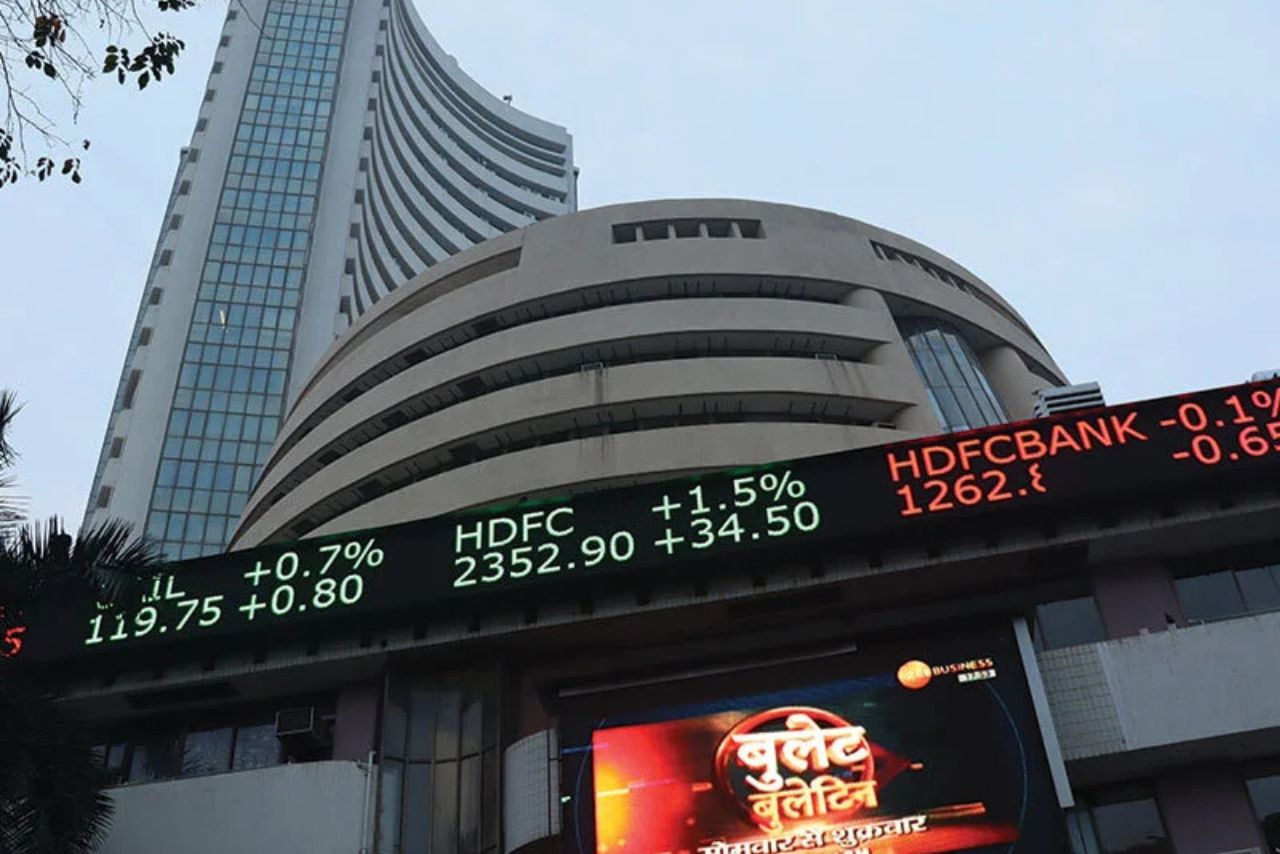
Synopsis: April 1 is a settlement holiday due to bank closure, even though markets remain open. Trades executed on this day are processed but not settled until April 2. This delays fund availability, impacts liquidity, restricts certain trades like BTST and MTF, and affects mutual fund settlement timelines despite normal trading activity.
The situation on April 1 is unique in that, while stock exchanges are open for trading, settlement systems are on hold due to the Annual Bank Closure Day. On this day, investors are free to buy and sell stocks as they would on any other day, but they cannot settle their trades due to the closure of banks.
Why markets are open but settlements are paused
April 1 is a settlement holiday, as it is declared as Annual Bank Closure Day. As a result, while markets are open for trading, the banking system required for settlement is closed. Since settlements involve transferring funds from one bank/clearing corporation to another, the absence of a banking system stalls the settlement process.
This creates a rare phenomenon in which markets and settlements are out of sync. Unlike a regular holiday when markets are closed due to a holiday like Mahavir Jayanti on March 31st, April 1st is a holiday when markets are open, and trading is possible. However, settlements are delayed until the next day. In a way, all trades done on April 1st are in a state of “unsettled trades” until April 2nd, when the banking system is available again.
Impact of the settlement holiday on your trades
The most obvious impact will be on liquidity and availability of funds. The profits earned from intraday or F&O trades conducted earlier, i.e., on March 30, or on March 31, in the case of commodities, will not be reflected in the account on April 1. The profits will only reflect in the account on April 2.
Other impacts include specific trade constraints. For example, in the case of the Margin Trading Facility, the shares bought under this facility cannot be sold on April 1. Similarly, in the case of BTST, there are specific constraints in the case of T2T stocks. Additionally, segments like currency and auction markets are closed, which impacts the ability to trade.
Impact on Mutual Fund Investors:
The settlement holiday will impact the timing of the settlement and payment of funds. For example, in the case of mutual fund investors, the same-day NAV will be available for orders executed prior to the cut-off time on April 1. However, the settlement and payment of funds will be delayed to April 2 or even later, depending on the type of mutual fund. Liquid and debt funds will have delays in settlement.
Disclaimer: The views and investment tips expressed by investment experts/broking houses/rating agencies on tradebrains.in are their own, and not that of the website or its management. Investing in equities poses a risk of financial losses. Investors must therefore exercise due caution while investing or trading in stocks. Trade Brains Technologies Private Limited or the author are not liable for any losses caused as a result of the decision based on this article. Please consult your investment advisor before investing.
The post Why is April 1 a settlement holiday despite markets being open? appeared first on Trade Brains.
What's Your Reaction?