











































.png)




9 Years of GST: How Have GST Collections Grown Over the Years?
Synopsis: Nine years after GST was introduced, annual GST collections have more than tripled from Rs. 5.40 lakh crore in FY2017-18 to a record Rs. 16.75 lakh crore in FY2024-25, highlighting stronger economic activity and improved tax compliance. India completed nine years of the Goods and Services Tax (GST) on July 1, 2026. Introduced as […] The post 9 Years of GST: How Have GST Collections Grown Over the Years? appeared first on Trade Brains.

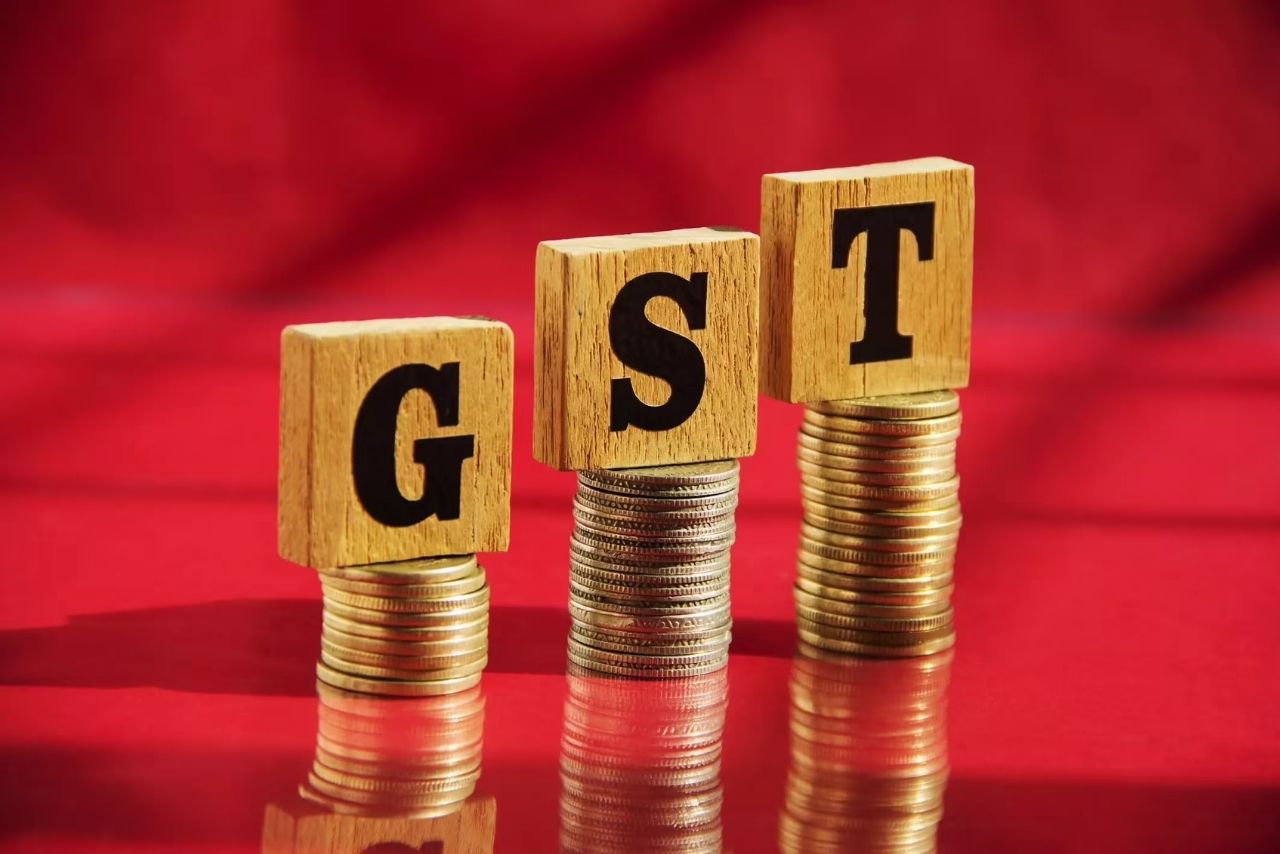
Synopsis: Nine years after GST was introduced, annual GST collections have more than tripled from Rs. 5.40 lakh crore in FY2017-18 to a record Rs. 16.75 lakh crore in FY2024-25, highlighting stronger economic activity and improved tax compliance.
India completed nine years of the Goods and Services Tax (GST) on July 1, 2026. Introduced as one of the country’s biggest tax reforms, GST replaced several indirect taxes levied by the Centre and states with a single tax system. The main aim was to make taxation simpler, reduce the burden of multiple taxes, improve compliance, and create one common market across the country.
GST was launched on July 1, 2017, after years of discussions between the Centre and states. Since then, the system has gone through several changes, including rate revisions, technology upgrades, and stricter compliance measures. Over the years, businesses have become more familiar with the GST system, while digital filing and e-invoicing have helped improve tax collection.
GST Collections Show Strong Growth Over the Years
The growth in GST collections over the past nine years reflects India’s expanding economy and better tax compliance. In its first year, FY2017-18, the government collected Rs. 5.40 lakh crore in GST revenue. Since then, collections have grown steadily despite challenges such as the COVID-19 pandemic.
A major setback came in FY2020-21 when GST collections declined because economic activity slowed during nationwide lockdowns. However, the recovery was equally strong. In FY2021-22, collections jumped by more than 26 percent as businesses reopened and economic activity picked up.
The upward trend continued in the following years. GST collections crossed Rs. 13 lakh crore in FY2022-23, increased to over Rs. 15 lakh crore in FY2023-24, and reached a record Rs. 16.75 lakh crore in FY2024-25. Although domestic GST collections saw a slight decline in FY2025-26, they remained well above the levels recorded in earlier years. The first quarter of FY2026-27 has also started on a strong note, with gross GST collections of over Rs. 5.14 lakh crore.
Another noticeable trend has been the consistent contribution of Integrated GST (IGST), which has remained the largest component of GST collections in most years. This reflects the steady growth in interstate trade across India.
States Continue to Drive GST Growth
State-wise data also highlights the growing strength of India’s economy. Maharashtra has remained the highest GST-contributing state every year since GST was introduced, supported by its strong industrial base and large services sector. Karnataka, Gujarat, Tamil Nadu, Haryana, and Uttar Pradesh have also consistently ranked among the top contributors, with several states crossing the Rs. 1 lakh crore mark in recent years.
At the same time, smaller states and Union Territories such as Lakshadweep, Ladakh, Mizoram, and Daman and Diu have continued to report relatively lower GST collections due to their smaller economies and populations.
Financial Year-wise GST Revenue Collection from FY 2017-18 to FY 2026-27 (up to June)
Financial Year 2017-18
During FY2017-18, India collected a total GST revenue of Rs. 5,40,049 crore, comprising CGST of Rs. 1,18,857 crore, SGST of Rs. 1,71,782 crore, IGST of Rs. 1,93,091 crore, and GST Compensation Cess of Rs. 56,319 crore. Among all components, IGST contributed the highest amount, followed by SGST and CGST, reflecting strong interstate trade and tax collections during the first year of GST implementation.
Among the states, Maharashtra recorded the highest GST collection at Rs. 1,05,186 crore, followed by Karnataka (Rs. 48,138 crore), Gujarat (Rs. 45,905 crore), and Tamil Nadu (Rs. 45,318 crore). Uttar Pradesh (Rs. 36,858 crore) and Haryana (Rs. 36,815 crore) also reported strong collections. On the other hand, smaller states and Union Territories such as Lakshadweep (Rs. 7 crore), Nagaland (Rs. 104 crore), and Arunachal Pradesh (Rs. 120 crore) recorded the lowest GST collections during FY2017-18.
Financial Year 2018-19
During FY2018-19, India’s total GST collection increased to Rs. 8,76,770 crore, compared to Rs. 5,40,049 crore in FY2017-18, reflecting strong growth in tax collections. The total included CGST of Rs. 2,02,434 crore, SGST of Rs. 2,78,806 crore, IGST of Rs. 3,08,242 crore, and GST Compensation Cess of Rs. 87,289 crore.
Among the states, Maharashtra continued to record the highest GST collection at Rs. 1,70,289 crore, up from Rs. 1,05,186 crore in FY2017-18. It was followed by Karnataka (Rs. 78,762 crore), Gujarat (Rs. 73,440 crore), and Tamil Nadu (Rs. 70,562 crore). Uttar Pradesh also reported strong collections of Rs. 61,323 crore, while Haryana collected Rs. 55,233 crore. Smaller states and Union Territories such as Lakshadweep (Rs. 20 crore), Mizoram (Rs. 213 crore), and Nagaland (Rs. 227 crore) continued to record the lowest GST collections during FY2018-19
Financial Year 2019-20
During this financial year 2019-20, India’s total GST collection increased to Rs. 9,44,403 crore, compared to Rs. 8,76,770 crore in FY2018-19, registering a 7.71 percent growth. The total included CGST of Rs. 2,27,443 crore, SGST of Rs. 3,09,232 crore, IGST of Rs. 3,19,422 crore, and GST Compensation Cess of Rs. 88,307 crore.
Among the states, Maharashtra continued to lead with the highest GST collection of Rs. 1,85,917 crore, up from Rs. 1,70,289 crore in FY2018-19. It was followed by Karnataka (Rs. 83,408 crore), Gujarat (Rs. 78,923 crore), Tamil Nadu (Rs. 74,430 crore), and Uttar Pradesh (Rs. 65,281 crore), all recording higher collections than the previous year. On the other hand, Lakshadweep (Rs. 20 crore), Ladakh (Rs. 5 crore), and Mizoram (Rs. 296 crore) remained among the lowest GST-contributing regions during the year.
Financial Year 2020-21
During FY2020-21, India’s total GST collection declined by 8.32 percent to Rs. 8,65,842 crore, compared to Rs. 9,44,403 crore in FY2019-20, mainly due to the impact of the COVID-19 pandemic on economic activity. The total collection included CGST of Rs. 2,09,916 crore, SGST of Rs. 2,72,828 crore, IGST of Rs. 3,03,946 crore, and GST Compensation Cess of Rs. 79,152 crore. Despite the decline, IGST remained the largest contributor, followed by SGST and CGST.
Among the states, Maharashtra continued to record the highest GST collection at Rs. 1,65,308 crore, though lower than Rs. 1,85,917 crore in FY2019-20. It was followed by Karnataka (Rs. 75,660 crore), Gujarat (Rs. 74,346 crore), Tamil Nadu (Rs. 69,121 crore), and Uttar Pradesh (Rs. 59,721 crore), all reporting lower collections compared to the previous year. Lakshadweep (Rs. 13 crore), Ladakh (Rs. 114 crore), and Andaman and Nicobar Islands (Rs. 255 crore) remained among the lowest GST-contributing regions during FY2020-21.
Financial Year 2021-22
During FY2021-22, India’s total GST collection increased by 26.76 percent to Rs. 10,97,545 crore, compared to Rs. 8,65,842 crore in FY2020-21, reflecting a strong recovery in economic activity after the pandemic. The total collection included CGST of Rs. 2,69,137 crore, SGST of Rs. 3,44,216 crore, IGST of Rs. 3,85,314 crore, and GST Compensation Cess of Rs. 98,878 crore.
Among the states, Maharashtra continued to record the highest GST collection at Rs. 2,17,993 crore, up from Rs. 1,65,308 crore in FY2020-21. It was followed by Gujarat (Rs. 97,155 crore), Karnataka (Rs. 95,926 crore), Tamil Nadu (Rs. 85,492 crore), and Uttar Pradesh (Rs. 73,865 crore), all reporting higher collections than the previous year. Meanwhile, Daman and Diu (Rs. 5 crore), Lakshadweep (Rs. 18 crore), and Ladakh (Rs. 207 crore) remained among the lowest GST-contributing regions during FY2021-22.
Financial Year 2022-23
During FY2022-23, India’s total GST collection increased by 20.72 percent to Rs. 13,24,985 crore, compared to Rs. 10,97,545 crore in FY2021-22, reflecting strong economic growth and improved tax compliance. The total collection included CGST of Rs. 3,23,923 crore, SGST of Rs. 4,10,251 crore, IGST of Rs. 4,73,421 crore, and GST Compensation Cess of Rs. 1,17,390 crore.
Among the states, Maharashtra continued to lead with the highest GST collection of Rs. 2,70,346 crore, up from Rs. 2,17,993 crore in FY2021-22. It was followed by Karnataka (Rs. 1,22,822 crore), Gujarat (Rs. 1,14,221 crore), Tamil Nadu (Rs. 1,04,377 crore), and Uttar Pradesh (Rs. 87,970 crore), all recording higher collections than the previous year. Meanwhile, Daman and Diu (Rs. 3 crore), Lakshadweep (Rs. 21 crore), and Ladakh (Rs. 333 crore) remained among the lowest GST-contributing regions during FY2022-23.
Financial Year 2023-24
During FY2023-24, India’s total GST collection increased by 14.96 percent to Rs. 15,23,249 crore, compared to Rs. 13,24,985 crore in FY2022-23, reflecting continued growth in economic activity and stronger tax compliance. The total collection included CGST of Rs. 3,75,710 crore, SGST of Rs. 4,71,195 crore, IGST of Rs. 5,43,704 crore, and GST Compensation Cess of Rs. 1,32,639 crore.
Among the states, Maharashtra continued to record the highest GST collection at Rs. 3,20,117 crore, up from Rs. 2,70,346 crore in FY2022-23. It was followed by Karnataka (Rs. 1,45,266 crore), Gujarat (Rs. 1,25,168 crore), Tamil Nadu (Rs. 1,21,329 crore), and Haryana (Rs. 1,02,914 crore). Uttar Pradesh also crossed the Rs. 1 lakh crore mark, collecting Rs. 1,01,693 crore. Meanwhile, Daman and Diu (Rs. 3 crore), Lakshadweep (Rs. 45 crore), and Ladakh (Rs. 481 crore) remained among the lowest GST-contributing regions during FY2023-24.
Financial Year 2024-25:
During FY2024-25, India’s total GST collection increased by 10.67 percent to Rs. 16,75,697 crore, compared to Rs. 15,23,249 crore in FY2023-24, reflecting continued growth in economic activity and improved tax compliance. The total collection included CGST of Rs. 4,13,776 crore, SGST of Rs. 5,16,448 crore, IGST of Rs. 6,03,582 crore, and GST Compensation Cess of Rs. 1,41,892 crore. IGST remained the largest contributor, followed by SGST and CGST.
Among the states, Maharashtra remained the highest GST-contributing state with Rs. 3,59,855 crore, up from Rs. 3,20,117 crore in FY2023-24. It was followed by Karnataka (Rs. 1,59,564 crore), Gujarat (Rs. 1,36,748 crore), Tamil Nadu (Rs. 1,31,115 crore), Haryana (Rs. 1,19,362 crore), and Uttar Pradesh (Rs. 1,12,212 crore), all reporting higher collections than the previous year. Meanwhile, Daman and Diu (Rs. 2 crore), Lakshadweep (Rs. 21 crore), and Ladakh (Rs. 546 crore) remained among the lowest GST-contributing regions during FY2024-25.
Financial Year 2025-26:
During FY2025-26, India’s domestic GST collection declined by 2.62 percent to Rs. 16,31,769 crore, compared to Rs. 16,75,697 crore in FY2024-25. The total included CGST of Rs. 4,44,309 crore, SGST of Rs. 5,51,302 crore, and IGST of Rs. 6,36,158 crore.
Among the states, Maharashtra continued to record the highest GST collection at Rs. 3,61,778 crore, marginally higher than Rs. 3,59,855 crore in FY2024-25. It was followed by Karnataka (Rs. 1,58,217 crore), Gujarat (Rs. 1,35,415 crore), Tamil Nadu (Rs. 1,30,248 crore), Haryana (Rs. 1,21,080 crore), and Uttar Pradesh (Rs. 99,917 crore). Meanwhile, Daman and Diu (nil collection), Lakshadweep (Rs. 25 crore), and Mizoram (Rs. 450 crore) remained among the lowest GST-contributing regions during FY2025-26.
Financial Year 2026-27 (up to June 2026):
During the first quarter of FY2026-27 (April to June 2026), India’s gross GST collection stood at Rs. 5,14,465 crore, comprising CGST of Rs. 1,26,913 crore, SGST of Rs. 1,51,590 crore, and IGST of Rs. 2,35,961 crore. IGST remained the largest contributor, followed by SGST and CGST, reflecting strong interstate trade and stable tax collections.
The table shows the Financial Year-wise GST Revenue Collection from FY 2017–18 to FY 2026–27 (up to June 2026).
| Financial Year | Total GSTCollection(Rs. crore) | Growth(%) | CGST(Rs. crore) | SGST(Rs. crore) | IGST(Rs. crore) | CompensationCess |
|---|---|---|---|---|---|---|
| FY2017–18 | 5,40,049 | – | 1,18,857 | 1,71,782 | 1,93,091 | ₹56,319.00 |
| FY2018–19 | 8,76,770 | 62 | 2,02,434 | 2,78,806 | 3,08,242 | ₹87,289.00 |
| FY2019–20 | 9,44,403 | 8 | 2,27,443 | 3,09,232 | 3,19,422 | ₹88,307.00 |
| FY2020–21 | 8,65,842 | -8.32 | 2,09,916 | 2,72,828 | 3,03,946 | ₹79,152.00 |
| FY2021–22 | 10,97,545 | 27 | 2,69,137 | 3,44,216 | 3,85,314 | ₹98,878.00 |
| FY2022–23 | 13,24,985 | 20.72 | 3,23,923 | 4,10,251 | 4,73,421 | 1,17,390 |
| FY2023–24 | 15,23,249 | 14.96 | 3,75,710 | 4,71,195 | 5,43,704 | 1,32,639 |
| FY2024–25 | 16,75,697 | 10.67 | 4,13,776 | 5,16,448 | 6,03,582 | 1,41,892 |
| FY2025–26 | 16,31,769 | -2.62 | 4,44,309 | 5,51,302 | 6,36,158 | – |
| FY2026–27(Apr–Jun 2026) | 5,14,465 | – | 1,26,913 | 1,51,590 | 2,35,961 | – |
Conclusion
Nine years after its launch, GST has become an important source of revenue for both the Centre and the states. From Rs. 5.40 lakh crore in FY2017-18 to record collections above Rs. 16 lakh crore in recent years, the growth reflects stronger economic activity, improved compliance, and wider adoption of digital tax systems. While challenges remain, GST has established itself as a key pillar of India’s indirect tax system and is expected to play an even bigger role in supporting the country’s economic growth in the years ahead.
Disclaimer: The views and investment tips expressed by investment experts/broking houses/rating agencies on tradebrains.in are their own, and not that of the website or its management. Investing in equities poses a risk of financial losses. Investors must therefore exercise due caution while investing or trading in stocks. Trade Brains Technologies Private Limited or the author are not liable for any losses caused as a result of the decision based on this article. Please consult your investment advisor before investing.
The post 9 Years of GST: How Have GST Collections Grown Over the Years? appeared first on Trade Brains.
What's Your Reaction?