













































Time Technoplast Stock: Can This Packaging Leader With 55% Market Share Become Debt-Free?
Synopsis: Time Technoplast delivered record FY26 revenue, EBITDA and profit while reducing net debt by over Rs 400 crore. Backed by strong cash generation, growing high-margin composite products, automation-led efficiencies and planned asset monetisation, management believes the company can become debt-free within 12–18 months while sustaining healthy earnings growth. Time Technoplast is one of India’s leading […] The post Time Technoplast Stock: Can This Packaging Leader With 55% Market Share Become Debt-Free? appeared first on Trade Brains.

Synopsis: Time Technoplast delivered record FY26 revenue, EBITDA and profit while reducing net debt by over Rs 400 crore. Backed by strong cash generation, growing high-margin composite products, automation-led efficiencies and planned asset monetisation, management believes the company can become debt-free within 12–18 months while sustaining healthy earnings growth.
Time Technoplast is one of India’s leading industrial packaging companies, with a dominant presence across drums, jerry cans, pails, intermediate bulk containers, composite cylinders and infrastructure products. Over the years, the company has expanded its footprint across domestic and international markets while steadily increasing its share of higher-margin value-added products.
FY26 marked a record year for the company, driven by strong operational performance, growing demand for composite products and disciplined financial management. The next phase of growth may now be defined by its ambitious goal of becoming debt-free.
With a market cap of Rs 8,700 crore, the shares of Time Technoplast Ltd are trading at Rs 178 and are trading at a PE of 19 compared to their industry’s PE of 21. The shares have given a return of more than 300% in the last 5 years.
A Record Year Strengthens the Investment Case
Time Technoplast began FY27 with what were reported by its management to be the best-ever numbers in terms of revenue, EBITDA, and profit after tax. Despite the geopolitical risks posed by the political tension in West Asia and the ongoing war in Russia and Ukraine, Time Technoplast managed to record its best-ever financial performance.
Its consolidated revenue improved to Rs 6,114 crore in FY26, compared to Rs 5,462 crore in the last fiscal year; EBITDA grew to Rs 901 crore, while PAT grew to Rs 469 crore. Revenue went up by 12%, EBITDA went up by 14%, and profit after tax rose by an impressive 21%.
This makes the earnings performance even more impressive considering that Time Technoplast is engaged in businesses which are susceptible to movements in polymer prices.
Nevertheless, owing to the fact that almost 92% of its business operations are based on long-term B2B transactions where adjustments can be made from time to time regarding the price, Time Technoplast has been shielded from any negative impact on profitability from rising raw material costs.
Dominance in Industrial Packaging Continues to Drive Scale
Time Technoplast has retained its industrial packaging business as its core strength. The packaging product range, including drums, jerry cans, pails and intermediate bulk containers, generates about 73% of the revenues from the consolidated earnings.
It maintains leadership in several packaging segments, catering to sectors like chemicals, pharma and fast-moving consumer goods. It possesses a strong presence in both domestic and international locations and can thus cater to global clientele.
The management pointed out the confirmed orders received for the current calendar year, estimated at around Rs 400 crore, covering both local and overseas customers. This is good short-term visibility for the business in the packaging division.
Apart from that, investment in automation and brownfield expansions will help in improving operational efficiency and customer servicing levels as well. While packaging may not be the highest-growth business, it still continues to remain the business where cash is generated and invested in high-growth business areas.
Value-Added Products Are Becoming Increasingly Important
Value addition in products forms another strategic theme that can be identified through the earnings call. The company has recorded growth in its value-added products of 18% as compared to a mere 10% for its established products.
It has contributed to an increase in the contribution of value-added products from 27% to 29%. These products consist of intermediate bulk containers, composite cylinders, and MOX films. These are all high-margin products as compared to traditional packaging products.
The margin differential is considerable as well. Established products recorded an EBITDA margin of roughly 13.2%, whereas value-added products had an EBITDA margin of around 18.7%.
It was confirmed again that the development of value-added products is among the most critical elements of improving future profitability. As those businesses become more and more profitable, they will increasingly be responsible for generating profits and return ratios.
Composite Products Are Emerging as the Biggest Growth Engine
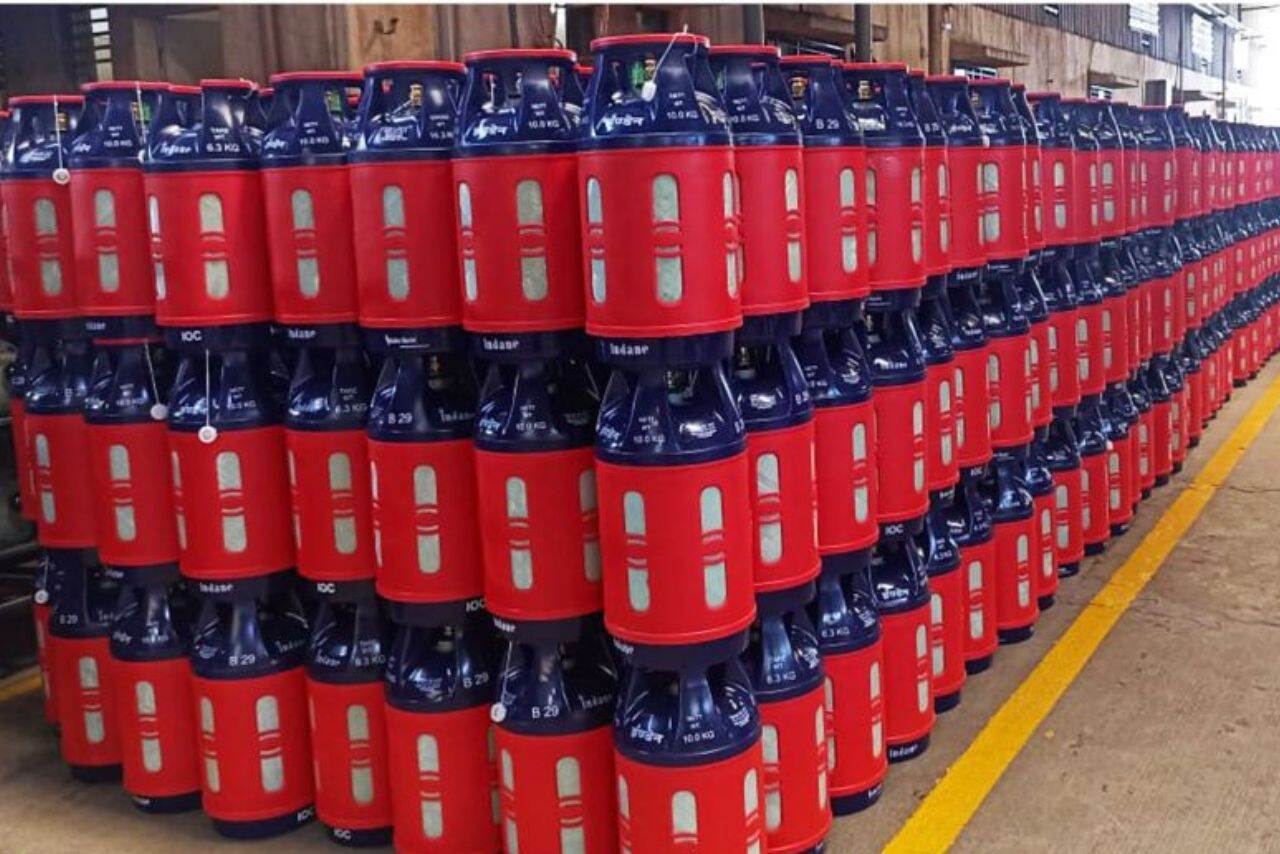
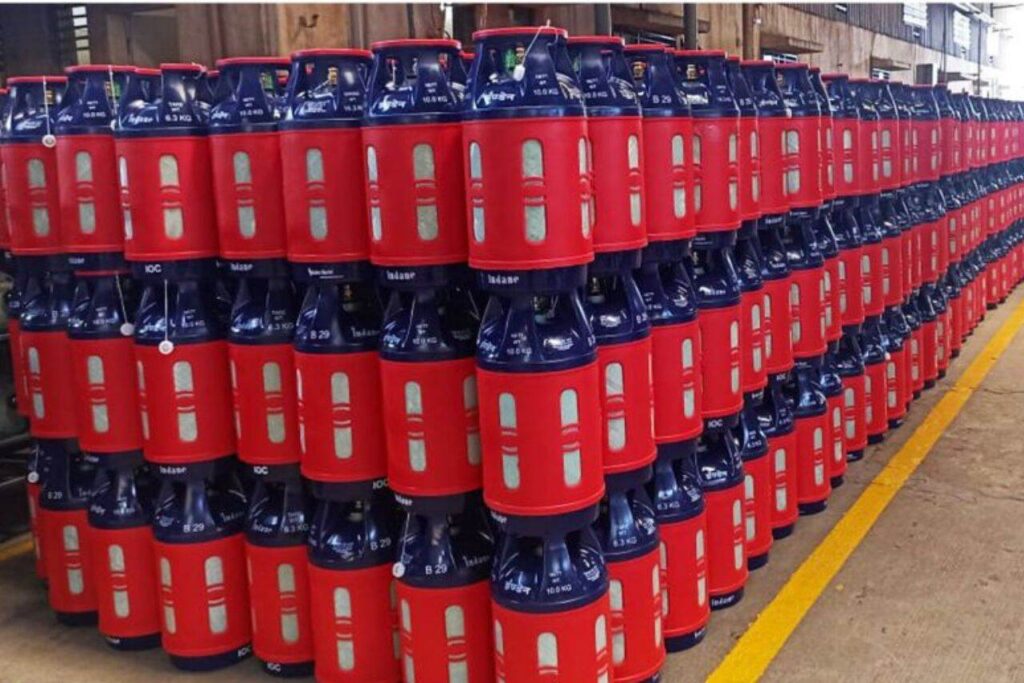
Of all the business verticals, composite products seem to be the most promising area for growth. The revenue for composite products grew by 16% in FY26, while the CNG composite cascade business witnessed a growth of 22%. According to management, the company’s composite cylinders have a total book of orders worth Rs 195 crore, and there is good demand for them.
The company has established a completely automated plant for manufacturing composites at Morai close to Vapi, Gujarat, having an overall capacity of 1,080 cascades. The company is also manufacturing large cylinders used for storing CNG, hydrogen, and LPG.
Approvals are pending for manufacturing 250-litre and 350-litre CNG cylinders, whereas there is a proposal for larger hydrogen cylinders for upcoming projects in drones. Management expects composite products to grow at more than 25% annually over the next several years, significantly outpacing overall company growth. Given the superior margins associated with composite products, this shift could materially improve profitability over time.
Debt Reduction Has Become a Central Strategic Objective
The most significant topic of discussion for an investor would be the assurance from the management about reducing debt. During FY26, there was a decrease in net debt to the tune of Rs 409 crore.
Internal accruals, profitability, and qualified institutional placement have helped bolster the financials of the company to a great extent. There were cash flows of Rs 156 crore from operations, while at the same time, the company invested Rs 370 crore in growth projects.
Management made a notable statement during the call by reiterating its commitment to becoming debt-free. Based on internal estimates, the company believes this milestone could be achieved within the next 12 to 18 months.
If achieved, the impact could extend beyond interest cost savings. A debt-free balance sheet would improve cash generation, enhance dividend-paying capacity and potentially lead to a re-rating of valuation multiples.
Multiple Efficiency Initiatives Could Accelerate the Journey
Debt-free objectives have been bolstered by a wide-ranging operational efficiency initiative. There are plans to dispose of non-core assets amounting to around Rs 134 crore over the next 18-24 months. Management hopes that the disposal will help raise ROCE and improve bottom-line performance as well as free up capital to be used in higher-margin endeavours.
In addition, Time Technoplast is streamlining its production centres, installing automation and reworking machinery so that there is better asset utilisation. Brownfield projects at Silvassa, Gummidipoondi and other international locations are being implemented with an aim to achieve centralised and efficient manufacturing operations. The company is also focused on manpower, product and working capital management. Management feels that these factors can help increase ROCE by about 1.5-2% per year.
Green Energy and Sustainability Add Another Layer of Benefits
The other significant development in this regard is that of adopting green energy by the company. Time Technoplast aims to meet 75% of its electricity needs from renewable energy sources over the next two years by signing power purchase agreements.
Power purchase agreements made so far in states like Karnataka, Tamil Nadu, Gujarat, and West Bengal are resulting in savings of around Rs 11 crores per year. Further savings are expected from Maharashtra and Uttarakhand from FY27 onwards.
The company has also commissioned its first recycling facility at Bhilad, Gujarat. This plant forms part of a broader recycling strategy intended to support PCR compliance requirements while ensuring captive access to recycled raw materials. Such initiatives not only improve sustainability credentials but can also reduce long-term raw material costs and strengthen competitive positioning.
Can Time Technoplast Become Debt-Free?
Investors’ main concern is whether Time Technoplast has any realistic possibility of becoming debt-free. From what has been observed at the earnings conference call, the possibility seems to be getting closer every day.
So far, in the FY26 period, the firm has made more than a Rs 400 crore reduction in net debt, recorded record profit numbers, made profitability improvements, added to its range of value-added products, and launched productivity improvement initiatives. Going forward, management aims for achieving a 15% growth in volumes year on year and sees EBITDA growth exceeding volume growth and PAT growth exceeding 20%.
What makes this ambition even more realistic is the fact that the debt-free strategy does not depend on just one factor. In this case, the debt elimination drive has multiple levers such as cash flow generation from the packaging business, fast growth in composite products with high margins, non-core asset sales, reductions in financing expenses, savings from renewable energy use, efficiency through automation, and prudent capital allocation.
For a company that has already established leadership in industrial packaging and is steadily increasing exposure to higher-growth composite products, the next 12 to 18 months could be pivotal. If management successfully executes its debt reduction roadmap while sustaining earnings momentum, Time Technoplast may not only become debt-free but also emerge as a significantly stronger and more profitable industrial manufacturing franchise.
Disclaimer: The views and investment tips expressed by investment experts/broking houses/rating agencies on tradebrains.in are their own, and not that of the website or its management. Investing in equities poses a risk of financial losses. Investors must therefore exercise due caution while investing or trading in stocks. Trade Brains Technologies Private Limited or the author are not liable for any losses caused as a result of the decision based on this article. Please consult your investment advisor before investing.
The post Time Technoplast Stock: Can This Packaging Leader With 55% Market Share Become Debt-Free? appeared first on Trade Brains.
What's Your Reaction?